
Wholesale Custom Bike Water Bottles Manufacturer
Topnovo manufactures custom bike water bottles for cycling brands, sports retailers, bike clubs, outdoor brands, promotional buyers, e-commerce sellers, and private label drinkware projects. Our bike bottle range is designed for road cycling, mountain biking, gym training, outdoor sports, race events, and daily hydration.
As a professional drinkware manufacturer in China, Topnovo provides flexible solutions for Custom Bike Water Bottles and wholesale Bike Water Bottles projects. Buyers can choose BPA-free plastic bike bottles, stainless steel cycling bottles, squeeze bottles, sports water bottles, and ready-to-brand models based on target market, budget, capacity, and usage needs. Topnovo also supports OEM and ODM customization for logos, colors, lids, capacities, packaging, surface finishes, and private label branding.
- Custom Bike Water Bottles manufacturing
- Wholesale Bike Water Bottles for cycling, outdoor, and sports markets
- BPA-free plastic and stainless steel bike bottle options
- Custom logo, color, lid, capacity, and packaging options
- Lightweight, reusable, and market-ready cycling bottle solutions
- Stable bulk production with strict quality inspection

*Topnovo
24,000㎡ Manufacturing & Production Area
Reliable Quality Control
Strict quality checks cover material safety, lid function, leak resistance, squeeze performance, surface finishing, packaging, and finished product consistency.
Flexible MOQ for All Buyers
Flexible MOQ options support trial orders, private label projects, custom logo printing, color matching, packaging, and long-term wholesale bike bottle programs.
On-Time Delivery
Organized production planning keeps sample orders, custom Bike Water Bottles bulk orders, and mass production schedules clear and stable.
OEM & ODM Support
OEM and ODM services cover custom bottle shapes, sports lids, capacities, colors, branding, packaging, and private mold development.
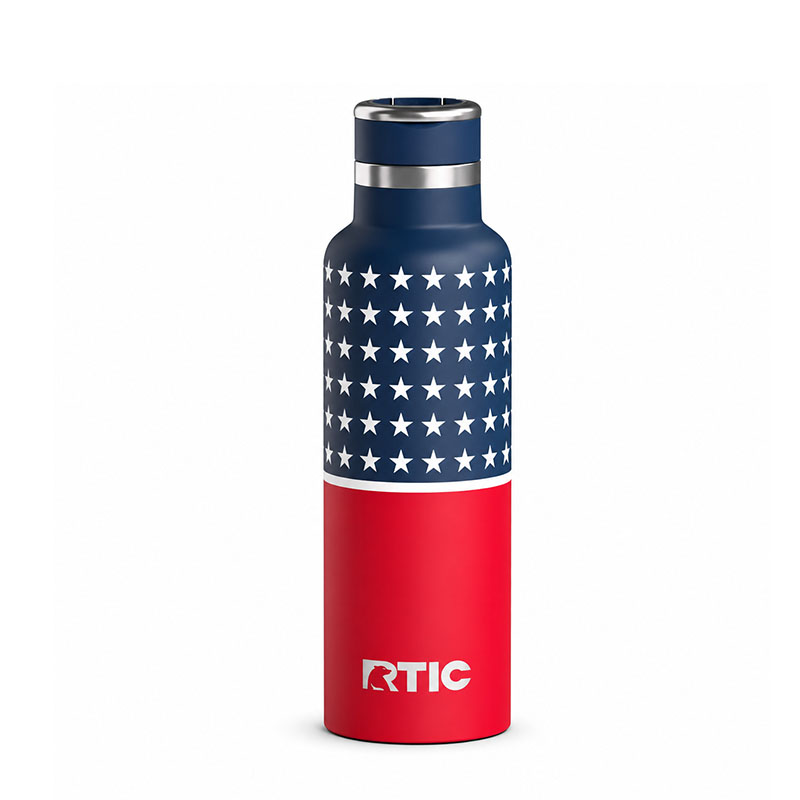
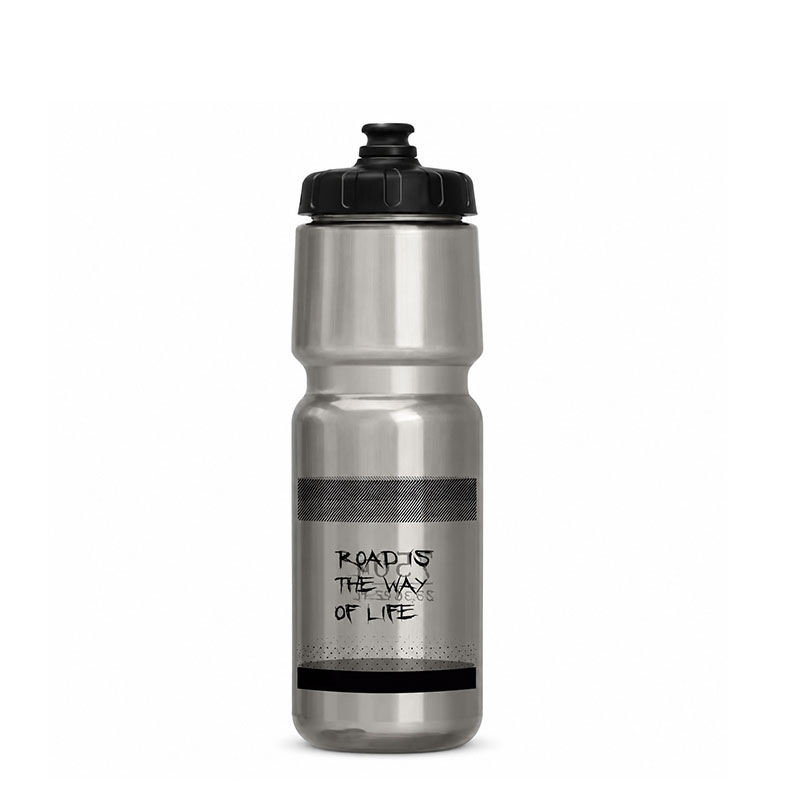
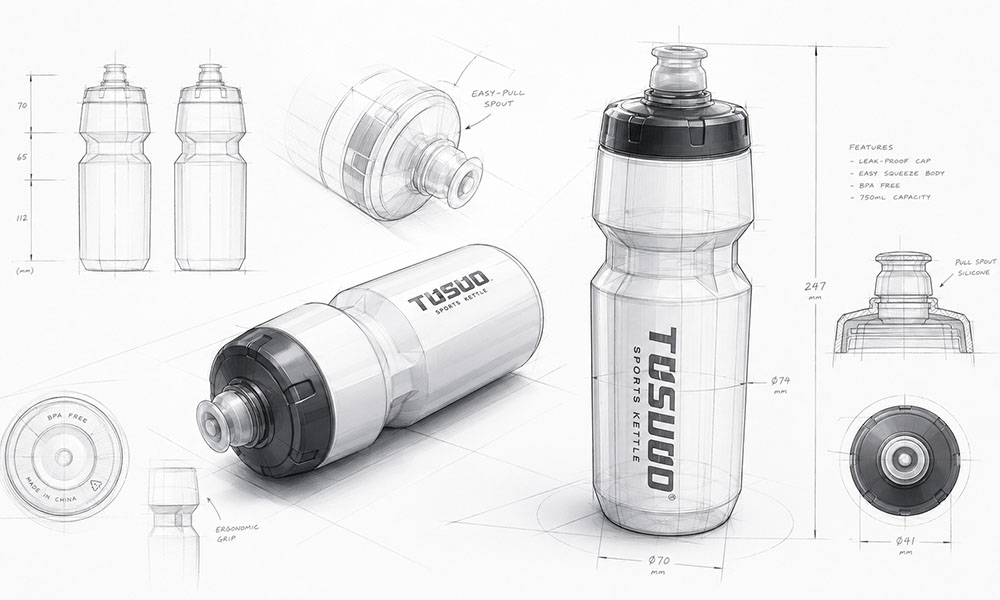
Custom Bike Water Bottles from Your Design
Send us your bike bottle drawing, reference image, 3D file, sample, or concept idea, and Topnovo will develop custom Bike Water Bottles based on your requirements. This option is ideal for brands that need exclusive bottle shapes, special sports lids, unique capacities, ergonomic grip structures, cycling cage compatibility, custom colors, or private mold development for large-scale production.
learn more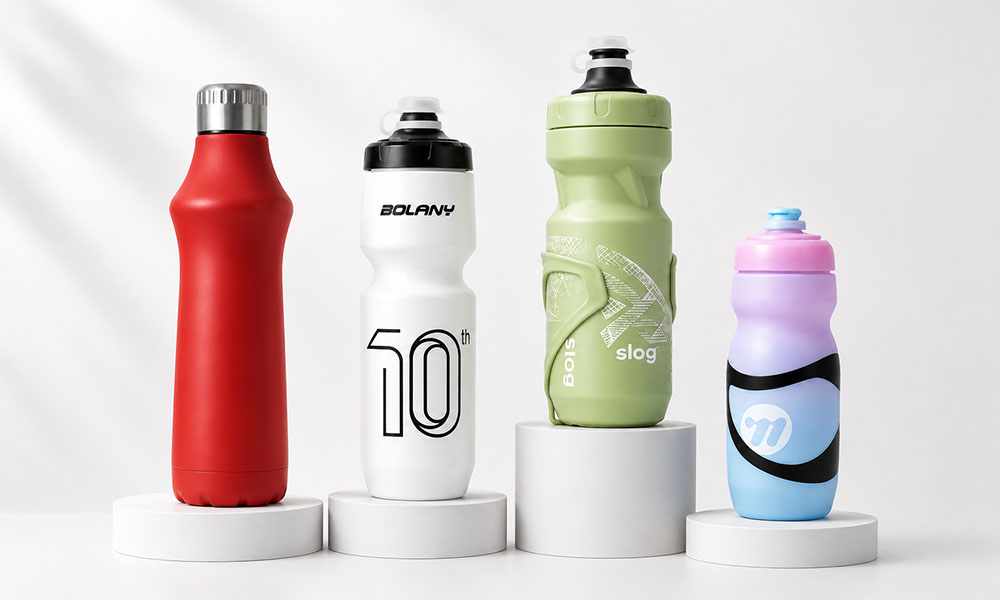
Private Label from Topnovo Ready Models
Choose from Topnovo’s existing bike water bottle collection to reduce development time and tooling costs. You can select the bottle style, material, lid type, capacity, color, logo method, surface finish, and packaging, then turn our ready models into branded cycling bottles for bike shops, sports retailers, cycling clubs, race events, promotional campaigns, and e-commerce markets.
learn more
Start Your Bulk Order for Custom Bike Water Bottles
Work directly with a bike water bottles manufacturer that understands sports drinkware, branding, packaging, and global logistics. Get factory pricing, flexible MOQ options, and fast sampling for your custom bike water bottles bulk project. Topnovo supports your order from model selection and sample approval to final wholesale production.
Established 2016
Looking for a Reliable Bike Water Bottles Supplier?
Topnovo integrates automated and semi-automated production equipment into the manufacturing process of stainless steel bottles, plastic bottles, bike bottles, tumblers, travel mugs, and custom drinkware. From material forming, polishing, coating, assembly, packaging, and inspection, our production system is designed to improve efficiency, consistency, and order stability for bulk bike water bottle manufacturing.
With organized production planning and flexible customization management, Topnovo can support trial orders, private label projects, custom Bike Water Bottles bulk programs, and large-volume wholesale Bike Water Bottles production. This allows cycling brands, wholesalers, sports retailers, event organizers, distributors, and promotional buyers to receive stable quality, controlled lead times, and reliable supply for fast-moving sports hydration markets.
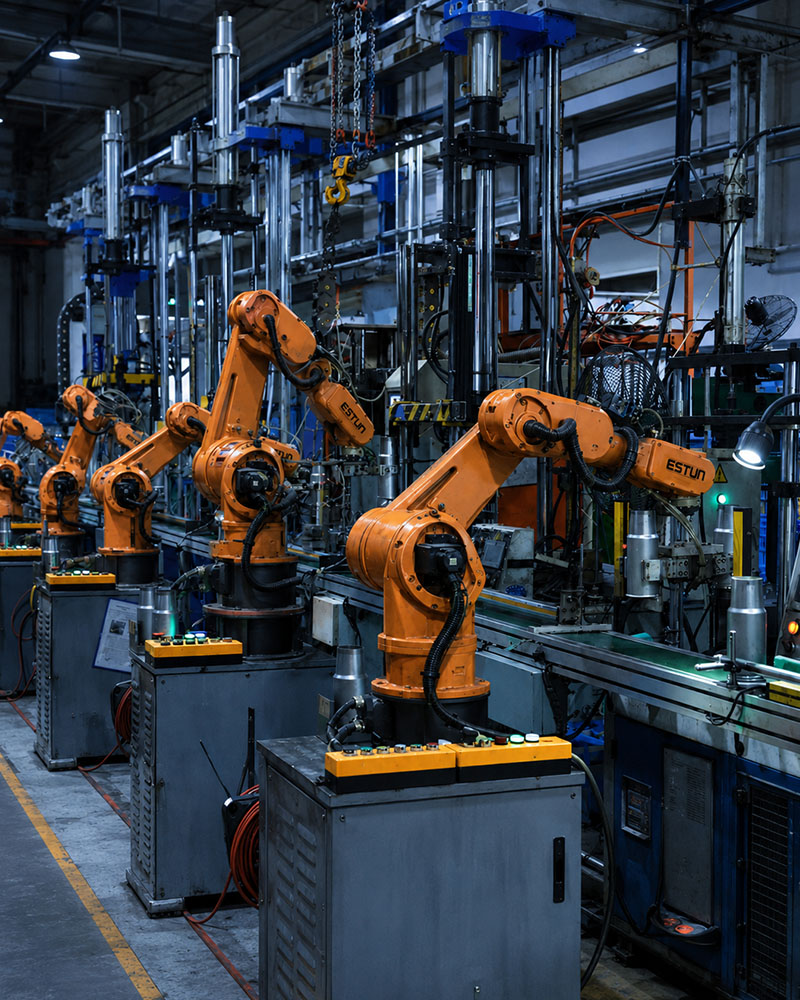
Your Reliable Bike Water Bottles Supplier
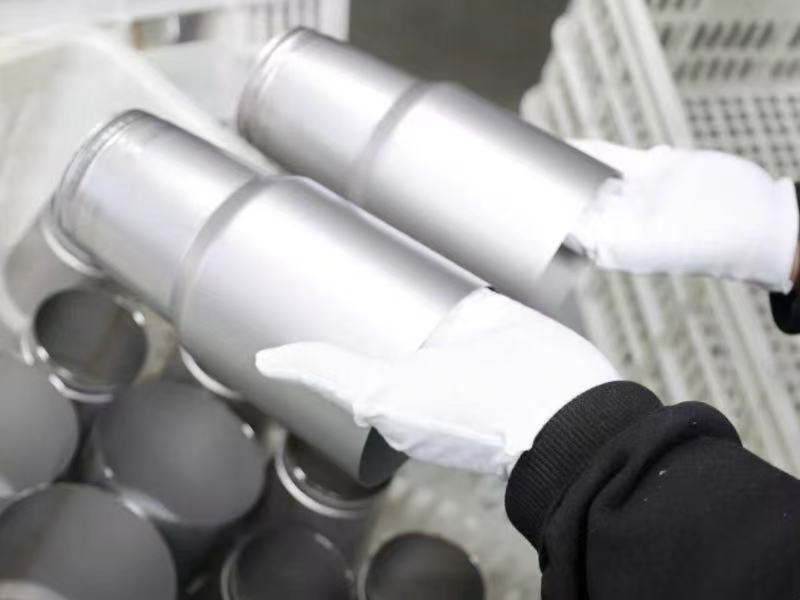
Top-Level Quality Control
With a structured QC process, Topnovo monitors key production stages from raw material checking to final shipment to ensure consistent quality in every bike water bottle order.

Certified and Patent-Supported
Topnovo can arrange product testing and compliance checks according to project needs, including food-contact material verification, BPA-free requirements, packaging review, and market-specific standards.

Strong IP Protection
Your bike bottle designs, artwork, molds, packaging, and brand concepts matter. Topnovo protects custom projects throughout development, sampling, and mass production.
Why Choose Us As Your Custom Bike Water Bottles Manufacturer
Experienced
Topnovo brings practical drinkware manufacturing experience to custom Bike Water Bottles and private label sports bottle projects.
Innovative
We develop modern bike bottle styles with ergonomic shapes, sports lids, custom colors, logo methods, and packaging options.
Reliable
Stable production, strict quality control, and clear lead times support consistent wholesale Bike Water Bottles orders.
Guarantee
Topnovo provides responsive service and flexible customization for cycling brands, bike shops, distributors, event buyers, and e-commerce sellers.
Join Our Global Network
Partner with Topnovo to access factory-direct pricing, flexible customization, and reliable supply for custom bike water bottles.
Our team reviews every inquiry carefully and provides practical feedback based on your bottle style, material, capacity, lid type, logo method, packaging needs, quantity, and target market.
Email: sales@topnovolife.com
Whatsapp/Tel: 86-15988717725
Add: Add: No. 5, Nan Yuan Road, Fenghuangshan Industrial Zone, Donggan, Tongqin Town, Wuyi County, Jinhua City, Zhejiang Provinc
Bike Water Bottles FAQ: 15 Key Questions
What materials are commonly used for bike water bottles?
Bike water bottles are commonly made from LDPE, HDPE, PP, Tritan, stainless steel, and food-grade silicone components.
For most cycling squeeze bottles, LDPE or soft PE materials are widely used because they are lightweight, flexible, and easy to squeeze while riding. PP is often used for lids and caps. Tritan is suitable for clearer, more rigid bottles. Stainless steel bike bottles are better for insulated or premium cycling drinkware, but they are usually not as easy to squeeze as plastic cycling bottles.
For B2B buyers, the material choice should match the target market: cycling races, bike shops, outdoor retail, promotional gifts, or premium sports brands.
Are bike water bottles BPA-free and food-contact safe?
Yes. Professional bike water bottles should be made from BPA-free and food-contact-safe materials. Buyers should check all food-contact components, including the bottle body, lid, valve, spout, silicone seal, straw, and inner coating if applicable.
For international markets, buyers may request testing support such as FDA, LFGB, EU food-contact compliance, REACH, BPA-free testing, Prop 65, and heavy metal testing, depending on the destination market and sales channel.
For sports and cycling products, food safety is especially important because users often drink directly from the valve during high-intensity exercise.
What capacity is best for bike water bottles?
Common bike water bottle capacities include 500 ml, 600 ml, 650 ml, 700 ml, 750 ml, 24 oz, and 26 oz.
For most cycling buyers, 600–750 ml / 20–26 oz is the most practical range. It provides enough hydration for cycling while still fitting standard bike bottle cages.
Smaller bottles are suitable for kids’ bikes, short rides, promotional events, or compact frames. Larger bottles are better for long-distance cycling, mountain biking, outdoor sports, and endurance events, but buyers must confirm bottle cage compatibility.
Will the bottle fit standard bike bottle cages?
Bottle cage compatibility is one of the most important concerns for bike water bottle buyers. A good cycling bottle should fit most standard bicycle bottle cages securely without being too tight or too loose.
B2B buyers should check the bottle diameter, body shape, grip groove, bottom design, and surface texture. A bottle that is too wide may not fit standard cages, while a bottle that is too loose may fall out during riding.
Before mass production, buyers should test the bottle with common road bike, mountain bike, gravel bike, and gym bike cages.
Is the bike water bottle easy to squeeze while riding?
For cycling squeeze bottles, squeeze performance is critical. The bottle should be soft enough for one-hand squeezing but strong enough to recover its shape after repeated use.
If the material is too hard, cyclists may find it difficult to drink while riding. If the material is too soft, the bottle may deform, leak, or feel low quality.
B2B buyers should test squeeze force, rebound performance, wall thickness, hand grip, and repeated squeeze durability before approving a bulk order.
What lid and valve designs are available for bike water bottles?
Common bike bottle lid options include pull-push caps, twist caps, leak-proof sports caps, dust-cover caps, silicone valve caps, high-flow valves, and squeeze-activated valves.
For road cycling and racing, a high-flow valve is important because cyclists need quick hydration without slowing down. For mountain biking and outdoor use, a dust cover is useful because it protects the drinking spout from dirt, mud, and sand.
The lid should be easy to open, easy to drink from, secure during riding, and simple to clean.
Are bike water bottles leak-proof?
A good bike water bottle should be leak-resistant or leak-proof when properly closed. Leak performance depends on the lid structure, valve design, thread accuracy, silicone sealing ring, and bottle body tolerance.
B2B buyers should ask suppliers to test upside-down leakage, shaking leakage, squeeze leakage, side-placement leakage, and valve closure performance.
For e-commerce sellers and sports retailers, leakage is a major risk because leaking bottles can cause customer complaints, returns, and negative reviews.
Can cyclists drink from the bottle with one hand?
Yes, a professional cycling bottle should support one-hand drinking. Cyclists should be able to pull the bottle from the cage, squeeze and drink, then return it to the cage without stopping.
This depends on the bottle’s shape, grip area, squeeze softness, cap flow rate, and cage compatibility. A good bike water bottle should be easy to handle even during riding, training, racing, or outdoor activities.
For B2B buyers, one-hand usability should be tested in real cycling scenarios, not only on a desk.
Do bike water bottles retain odor or taste?
Odor and taste control are important for cycling bottles because users may fill them with water, electrolyte drinks, sports drinks, or energy powders.
Low-quality plastic may retain smell or create a plastic taste. Better food-grade materials, smooth inner walls, removable caps, and easy-clean designs help reduce odor problems.
B2B buyers should test the bottle after repeated use with water, electrolyte drinks, and sports nutrition powder. Odor control is especially important for retail brands and Amazon sellers because it directly affects customer reviews.
Are bike water bottles easy to clean?
A good bike water bottle should be easy to clean after daily use. Buyers should check whether the bottle has a wide enough mouth, smooth inner wall, removable cap parts, simple valve structure, and fewer hidden gaps.
Complex valves or non-removable caps may trap sports drink residue, sugar, powder, or bacteria, causing odor and hygiene complaints.
For bike shops, sports brands, and retail buyers, cleanability is a key product feature because cycling bottles are often used repeatedly in warm outdoor conditions.
Are bike water bottles dishwasher safe?
Dishwasher safety depends on the material, lid structure, printing method, and temperature resistance.
Some plastic cycling bottles may be top-rack dishwasher safe, but logo printing, measurement marks, valves, and silicone components may have different durability levels. Stainless steel or insulated bike bottles may require hand washing, especially if they have powder coating or custom logos.
Before making dishwasher-safe claims on packaging or product pages, B2B buyers should test the actual finished product, including the bottle body, lid, valve, logo, and coating.
Can bike water bottles be customized with logos and colors?
Yes. Bike water bottles can be customized with silk screen printing, UV printing, heat transfer printing, full-wrap printing, laser engraving for stainless steel models, Pantone color matching, transparent colors, solid colors, gradient designs, custom lids, and private-label packaging.
For cycling brands, race events, bike shops, and promotional gift buyers, logo visibility is very important. The logo should remain clear after repeated squeezing, washing, and outdoor use.
Before mass production, buyers should approve physical samples for color accuracy, logo position, printing durability, lid color, and packaging artwork.
What is the MOQ for custom bike water bottles?
MOQ depends on the bottle material, existing mold availability, logo method, color customization, lid design, and packaging requirements.
For existing models with simple logo printing, MOQ is usually lower. For custom colors, full-wrap printing, private packaging, custom lids, or special valve structures, MOQ is usually higher. For new mold development or exclusive cycling bottle designs, MOQ is much higher because tooling and testing are required.
A professional supplier should explain MOQ by project type so buyers can choose the best option for trial orders, cycling events, retail launches, or long-term product lines.
How should bike water bottle quality be inspected before shipment?
A professional QC process should cover both product performance and packaging accuracy.
Common inspection items include material inspection, capacity check, bottle cage fit test, squeeze test, rebound test, leak-proof test, valve flow test, cap fitting inspection, odor check, logo adhesion test, printing alignment check, drop test, carton drop test, packaging inspection, and final random inspection.
For large B2B orders, buyers should request QC photos, inspection reports, pre-shipment samples, packaging photos, and carton details before shipment.
Strong QC helps reduce leakage, odor complaints, poor fit, printing defects, packaging mistakes, and customer returns.
How should B2B buyers choose a reliable bike water bottle supplier?
B2B buyers should not choose a supplier based only on the lowest price. A reliable bike water bottle supplier should have food-grade material control, bottle cage compatibility knowledge, lid and valve development capability, leak-proof testing, squeeze performance testing, custom logo experience, packaging support, compliance testing support, stable mass production quality, export experience, and fast communication.
For cycling brands, bike shops, sports retailers, race organizers, outdoor brands, Amazon sellers, wholesalers, and promotional gift companies, the right supplier should help reduce product risk, improve launch speed, protect brand reputation, and support repeat orders.
The best supplier is not simply a factory that can make bottles. It is a manufacturing partner that understands cycling use scenarios, rider experience, product safety, packaging, logistics, and long-term supply stability.