Sample Time
2–10 days

TOPNOVO helps brands and growing businesses create market-ready stainless steel tumblers with flexible customization, consistent quality, and reliable production at scale.
10+ Years Experience · 24,000㎡ Facility ·
9M+ Annual Capacity · BSCI Audited
Start Your Project Get Sample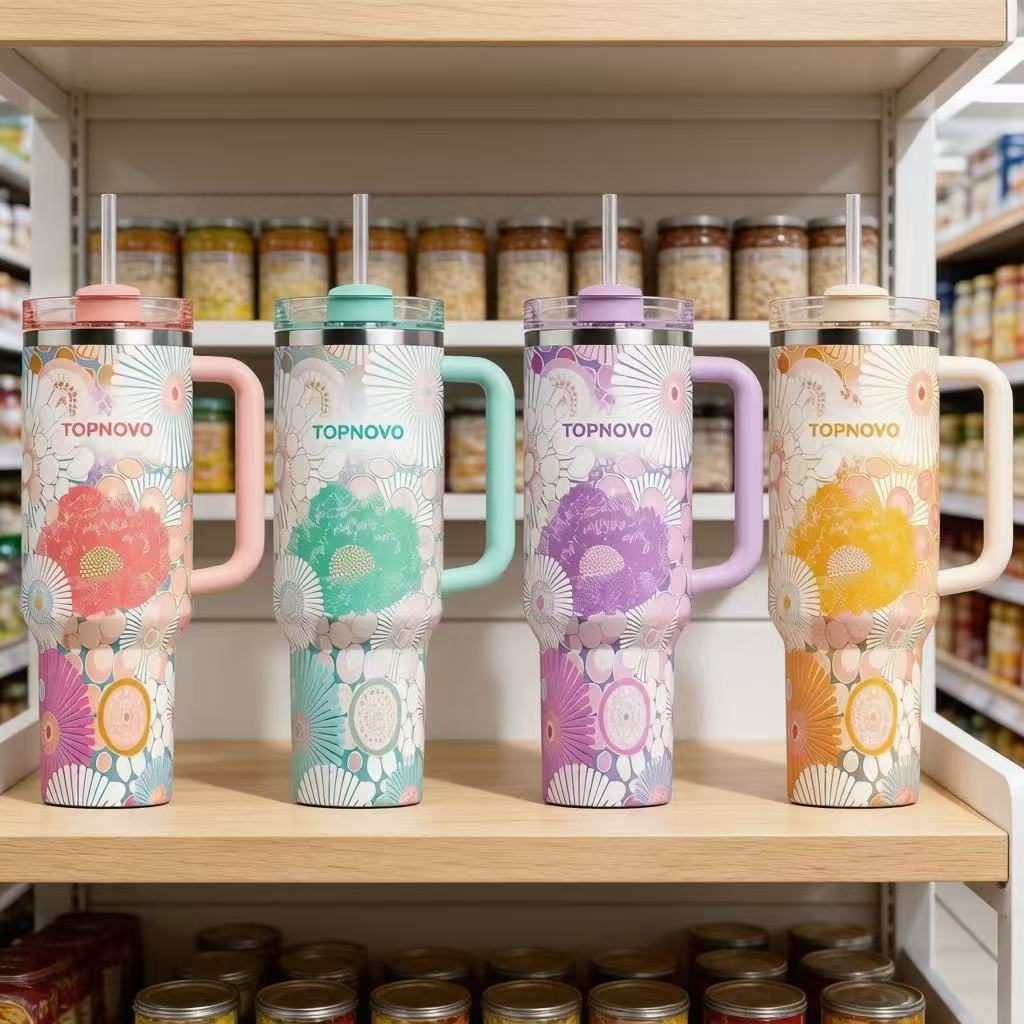
24,000㎡ Manufacturing & Production Area
Custom MOQ
500–1,000 pcs
Sample Time
2–10 days
Mass Production
25–35 days
New Tooling
30–45 days For new lids, structures or custom mold development. |
Find the right tumbler for your brand, market and customers.
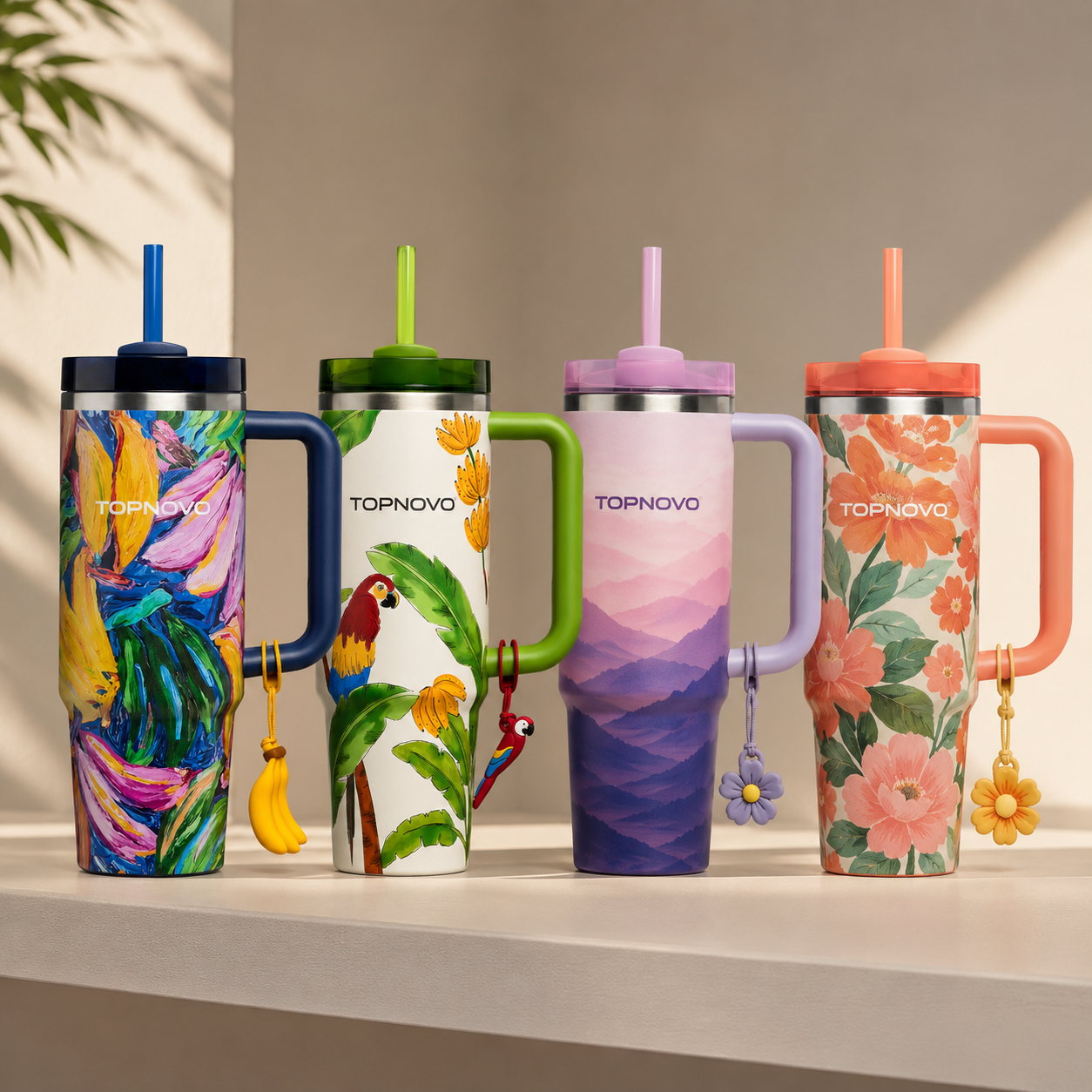
12oz · 16oz · 20oz
Gifting · Promotion · Retail
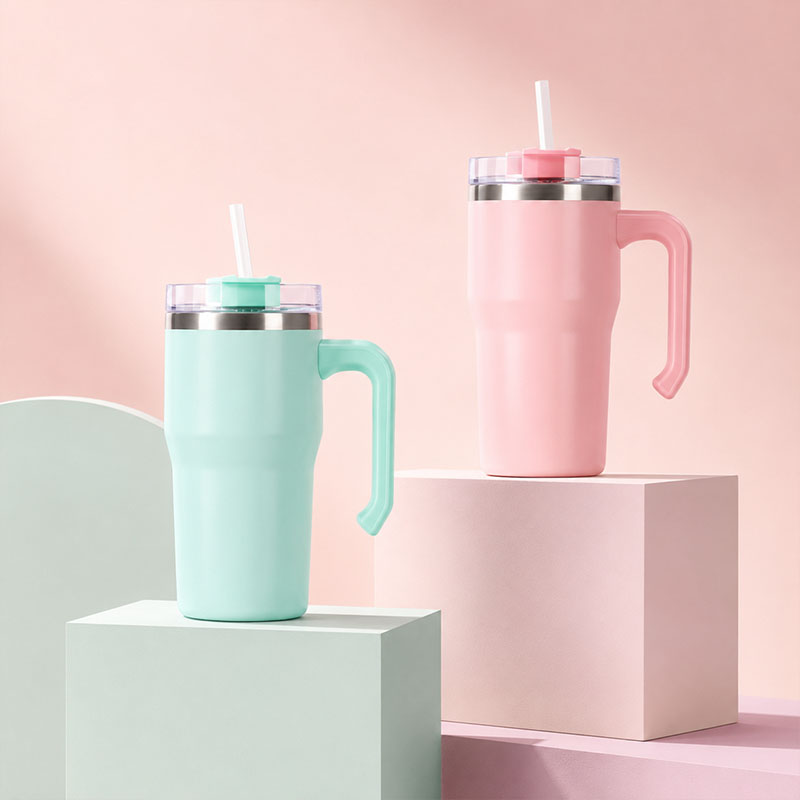
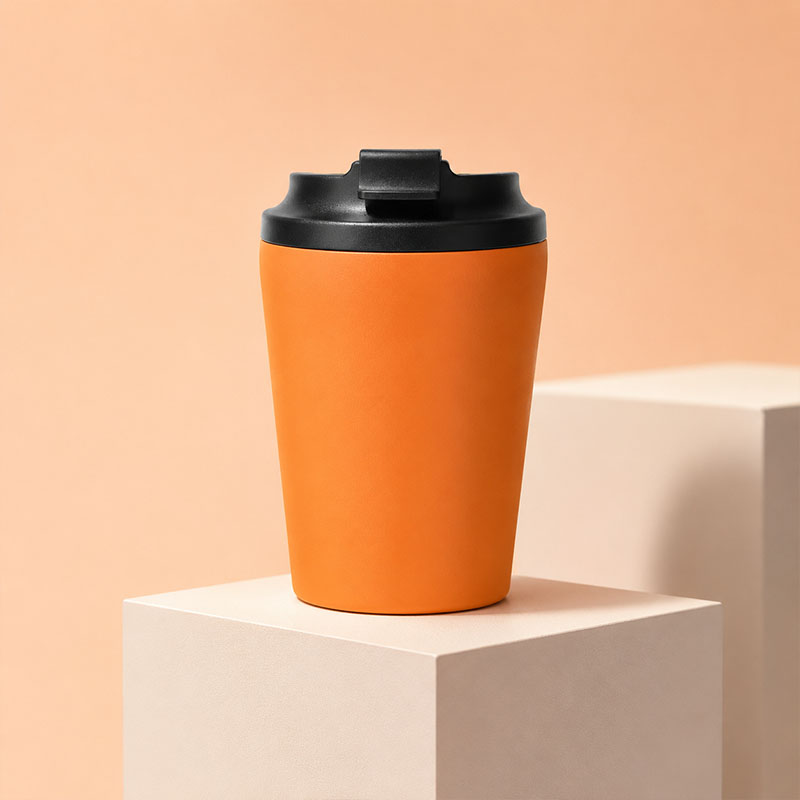
12oz · 16oz · 20oz
Coffee · Office · Everyday
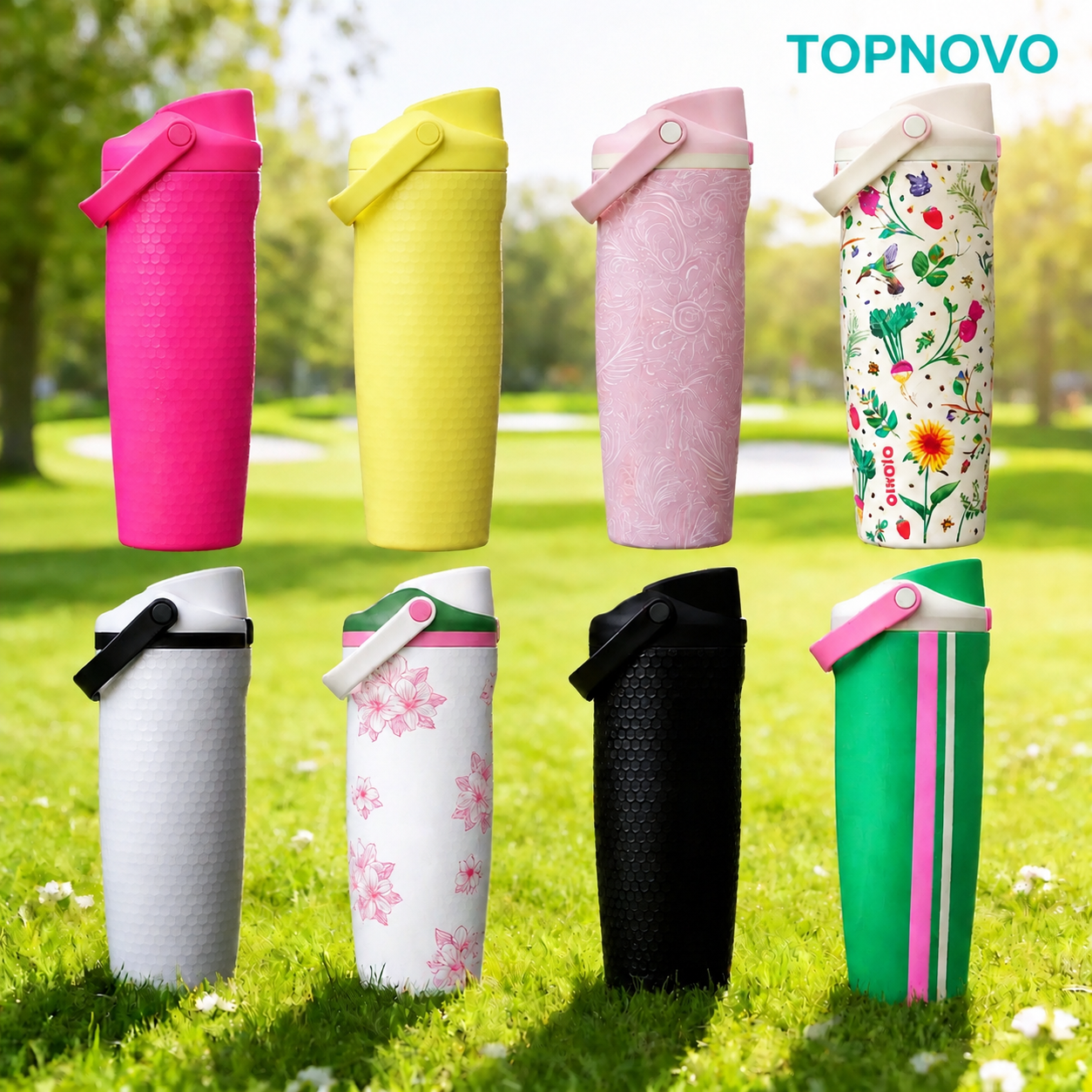
20oz · 30oz · 40oz
Travel · Fitness · Car holder
Tell us your product, quantity, logo, color, and packaging requirements. We’ll recommend the most practical solution for your project — from sampling to mass production.
Custom tumbler solutions for different businesses and markets.
Custom products for building and growing your brand.
Branded tumblers for campaigns, events, and gifting programs.
Reliable supply for repeat and bulk orders.
Market-ready products for retail and wholesale channels.
Get A Quote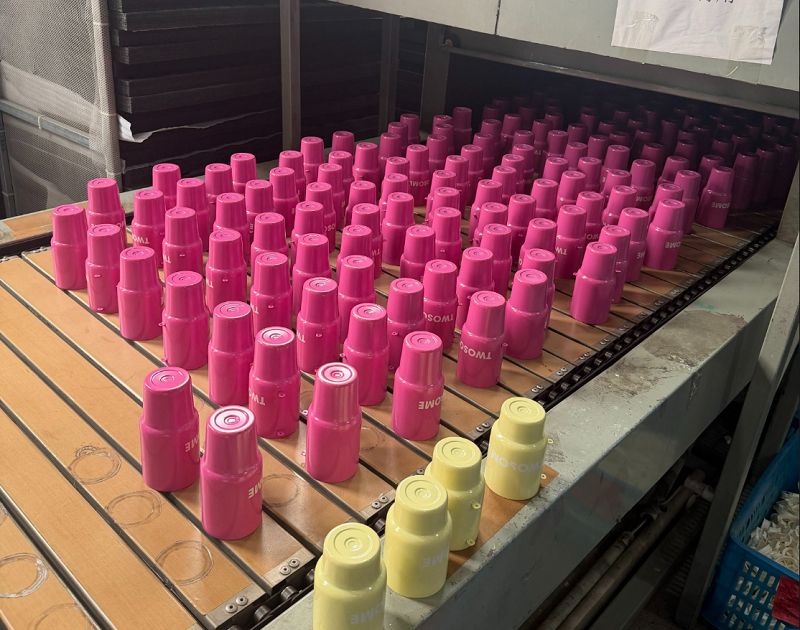
Customize your tumbler from product design and finishing to branding and packaging.
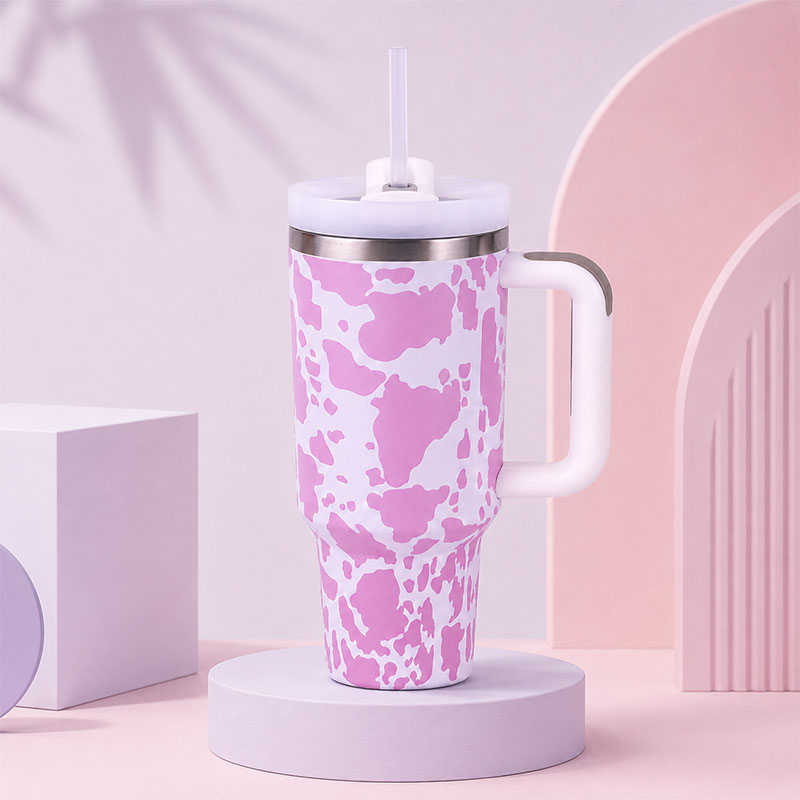
Create the right look, feel, and function for your market.
Capacity
Lid Options
Handle Design
Powder Coating
Pantone Matching
Gradient / Sublimation
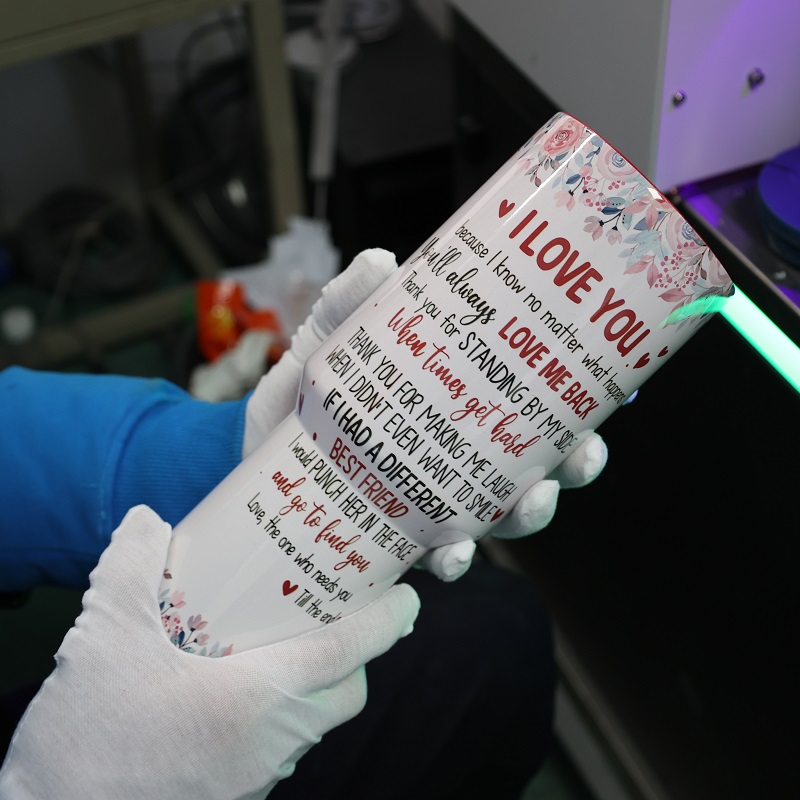
Make every tumbler clearly yours.
Laser Engraving
Screen Printing
UV Printing
Full-Wrap Printing
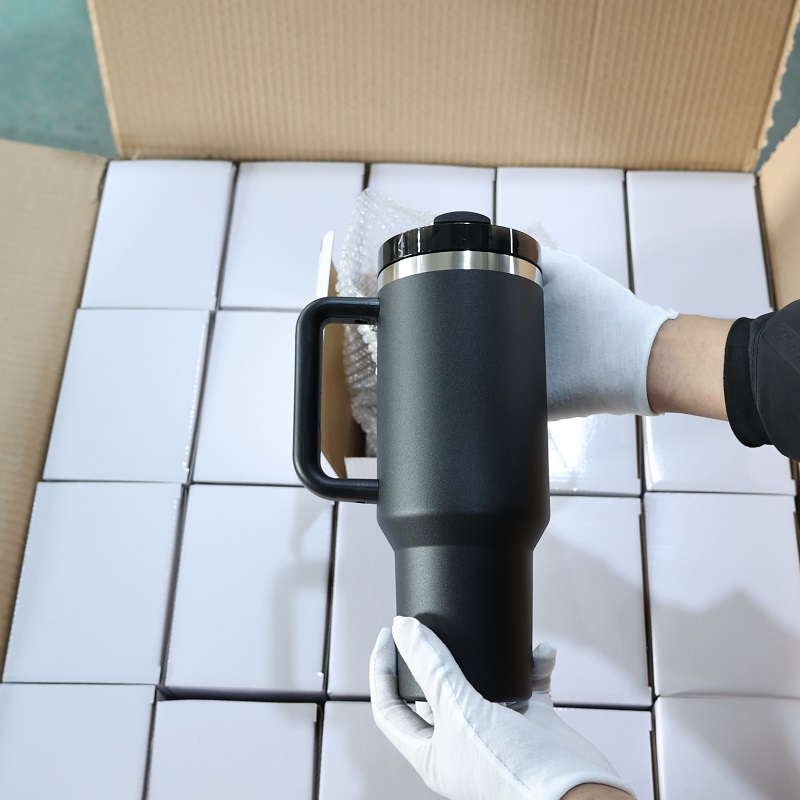
Prepare your products for retail, gifting, or e-commerce.
Custom Box
Gift Box
Custom Inserts
Barcode & Label
Retail Packaging
More than a tumbler supplier — a long-term manufacturing partner.
Manufacturing Experience
10+ Years
24,000㎡ · 9M+ Units/Year
16 Full-Time QC Staff
Existing Models to OEM
Email: sales@topnovolife.com
WhatsApp/Tel: 86-15988717725
Factory Address: No. 5, Nan Yuan Road, Fenghuangshan Industrial Zone, Donggan, Tongqin Town, Wuyi County, Jinhua City, Zhejiang Province
For many existing models, custom orders typically start from 500–1,000 pieces, depending on the product, color, logo method and packaging requirements.
A tumbler usually refers to a drinkware product designed for hydration, iced drinks, coffee, smoothies, and daily use. It often has a lid and may fit car cup holders.
A travel mug is usually designed for coffee, commuting, office use, and on-the-go drinking. It often has a handle, flip lid, slide lid, or leak-resistant lid.
A coffee mug can be made from stainless steel, ceramic, glass, or plastic. It is usually used for hot drinks such as coffee, tea, cocoa, and office beverages.
For B2B buyers, the product name should match the target market. Amazon sellers may focus on “insulated tumbler” or “travel coffee mug,” while corporate gift buyers may prefer “custom mugs” or “branded tumblers.”
Common capacities include 12 oz, 14 oz, 16 oz, 18 oz, 20 oz, 24 oz, 30 oz, 32 oz, 40 oz, and 50 oz.
For coffee mugs and travel mugs, 12–20 oz is the most common range. For daily hydration and retail tumblers, 20–32 oz is popular. For large-capacity lifestyle tumblers, 40 oz remains a strong choice for retail, gifting, fitness, office, and outdoor markets.
B2B buyers should choose capacity based on target users, cup holder compatibility, shipping cost, retail price, and product positioning.
Most premium stainless steel tumblers and mugs use double-wall vacuum insulation. This structure helps keep drinks hot or cold for longer periods while reducing condensation on the outer wall.
Some premium products may also use copper plating inside the vacuum layer to improve temperature retention.
Single-wall tumblers are lighter and cheaper but do not provide strong insulation. Double-wall vacuum insulated tumblers are better for retail brands, outdoor buyers, coffee brands, Amazon sellers, and premium promotional gifts.
Before mass production, buyers should request temperature retention test results based on the actual product size and lid structure.
Temperature retention depends on the bottle structure, stainless steel thickness, vacuum quality, lid design, capacity, and whether copper plating is used.
A high-quality insulated tumbler or mug can usually keep drinks cold for many hours and hot for several hours. However, the exact performance varies by model.
B2B buyers should not rely only on general claims such as “24 hours cold” or “12 hours hot.” They should request actual test data and confirm the testing method before using insulation claims on packaging, websites, or Amazon listings.
Common lid options include sliding lids, flip lids, straw lids, sip lids, push-button lids, lock lids, handle lids, screw lids, and 2-in-1 sip-and-straw lids.
The lid is one of the most important parts of the product because it affects leakage, drinking comfort, cleaning, user experience, and customer reviews.
For coffee mugs, buyers often choose slide lids, flip lids, or sip lids. For large tumblers, straw lids and 2-in-1 lids are popular. For travel mugs, leak-resistant lock lids are often preferred.
A strong supplier should help buyers match the lid design with the target use case instead of offering only one standard lid.
Not all tumblers and mugs are fully leak-proof. Some lids are designed to be splash-resistant, while others are designed to be leak-resistant or fully leak-proof when properly closed.
B2B buyers should clearly define the expected lid performance before ordering. A straw lid may not be fully leak-proof because of the straw opening. A screw lid or lock lid usually provides better sealing.
Buyers should request leak tests, including upside-down testing, shaking tests, side-placement tests, and long-time standing tests. This is especially important for travel mugs, school products, office bags, and Amazon products.
Yes. Professional tumblers and mugs should use food-contact-safe materials. For stainless steel products, the inner wall should usually be made from 304 stainless steel or other approved food-contact material. Plastic lids, straws, gaskets, and silicone rings should be BPA-free and food-grade.
B2B buyers may request testing support such as FDA, LFGB, REACH, Prop 65, BPA-free testing, lead testing, and heavy metal testing, depending on the destination market and sales channel.
Food safety should cover the whole product, not only the cup body. Buyers should also check the lid, straw, mouthpiece, silicone ring, coating, and printed decoration.
Common surface finishes include powder coating, spray painting, matte finish, glossy finish, electroplating, gradient coating, rubber coating, glitter finish, stone texture, sublimation coating, crackle finish, and bare stainless steel finish.
Powder coating is one of the most popular choices because it provides a comfortable hand feel, strong color performance, and better grip.
For B2B buyers, coating durability is very important. Buyers should confirm coating adhesion, scratch resistance, color consistency, and dishwasher suitability before mass production.
Yes. Tumblers and mugs can be customized with laser engraving, silk screen printing, UV printing, heat transfer printing, sublimation printing, full-wrap printing, embossed logos, debossed logos, 3D effects, Pantone color matching, custom lids, custom accessories, and private-label packaging.
For premium stainless steel drinkware, laser engraving and powder coating are common. For full-color artwork, sublimation or heat transfer printing may be used. For corporate gifts, silk screen printing is often cost-effective.
Before bulk production, buyers should approve a physical sample to confirm logo size, logo position, color accuracy, surface finish, and packaging effect.
Food-grade 18/8 (304) stainless steel is commonly used for our stainless steel tumbler production.
Lead time depends on customization level, order quantity, packaging, and factory capacity.
Existing samples usually take a few days. Custom logo samples often take about one week, depending on the decoration method. Custom color samples may take longer because color matching and surface finishing are required. New mold or ODM development requires more time.
Bulk production usually includes material preparation, forming, welding, polishing, vacuum testing, surface finishing, logo decoration, lid assembly, quality inspection, packaging, and shipment preparation.
For seasonal orders, retail launches, Amazon inventory planning, or promotional campaigns, buyers should confirm the production schedule early.
Common packaging options include white boxes, kraft boxes, color boxes, gift boxes, display boxes, egg-crate packing, insert cards, user manuals, barcode labels, SKU labels, carton labels, and Amazon FBA packaging.
For retail and e-commerce buyers, packaging should protect the product and also improve shelf appeal or unboxing experience. For promotional gift buyers, packaging should balance cost and brand presentation.
Amazon sellers may also require FNSKU labels, UPC labels, carton marks, suffocation warnings for poly bags, and drop-test-ready packaging.
Before mass production, buyers should confirm packaging artwork, barcode position, carton size, carton weight, shipping marks, and pallet requirements.
A professional QC process should cover both product performance and packaging accuracy.
Common inspection items include material inspection, capacity check, vacuum insulation test, temperature retention test, leak test, lid fitting test, coating adhesion test, logo inspection, scratch inspection, drop test, odor check, inner wall inspection, handle strength test, carton drop test, and final random inspection.
For stainless steel insulated tumblers, vacuum performance and leak testing are especially important. For ceramic mugs, buyers should check glaze quality, rim smoothness, handle strength, color consistency, and breakage protection.
For large B2B orders, buyers should request QC photos, inspection reports, pre-shipment samples, packaging photos, and carton packing details before shipment.
B2B buyers should not choose a supplier based only on the lowest price. A reliable tumbler and mug supplier should have stable material sourcing, food-contact compliance support, vacuum insulation capability, lid development experience, leak-proof testing, surface finishing capability, custom logo experience, packaging support, quality inspection systems, export experience, and fast communication.
The right supplier should help buyers reduce leakage complaints, coating defects, logo issues, poor insulation, packaging mistakes, and delivery delays.
For brands, wholesalers, retailers, Amazon sellers, promotional gift companies, coffee brands, and corporate gift buyers, the best supplier is not just a factory that can produce cups. It is a long-term manufacturing partner that understands product performance, market positioning, customization, packaging, logistics, and repeat-order stability.