
Quick Answer
Private label water bottles allow brands to sell existing bottle models with their own logo, color, packaging, and brand identity. For new brands, Amazon sellers, wholesalers, and corporate gift buyers, private label is often faster and less risky than developing a custom mold from the beginning.
A successful private label project is not only about putting a logo on a bottle. It requires the right product choice, reliable material, clear customization plan, sample testing, packaging control, compliance support, and a dependable water bottle manufacturer.
What Are Private Label Water Bottles?
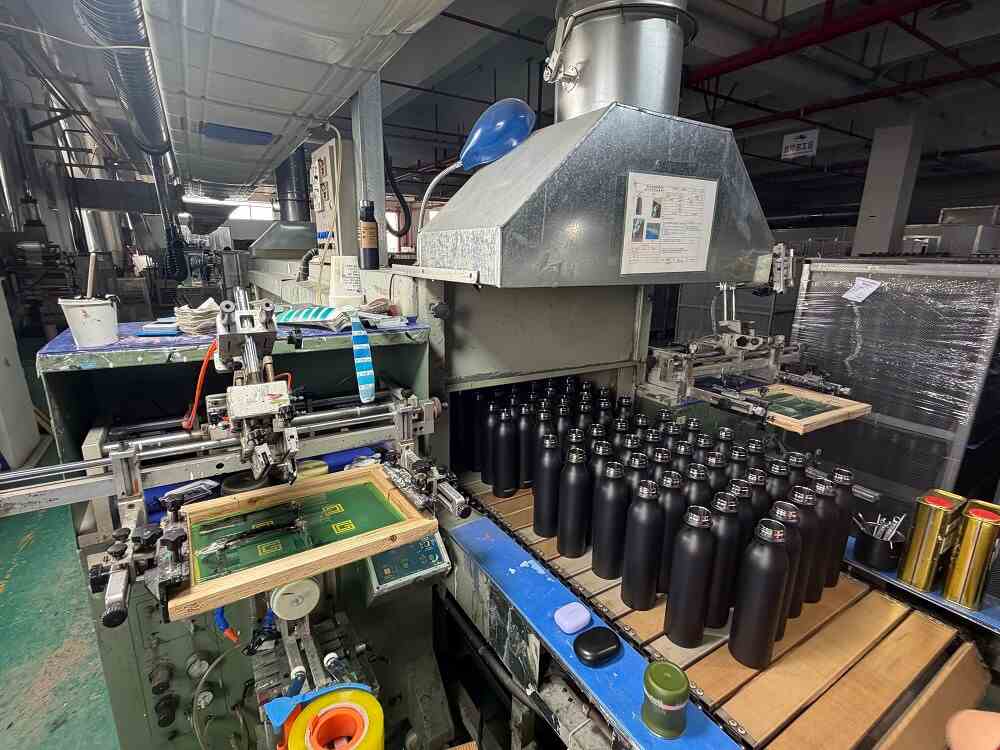
Private label water bottles are products made by a manufacturer and customized for your brand. You can choose an existing bottle model, then customize the logo, color, lid, finish, packaging, barcode, insert card, or carton marks.
For example, a fitness brand may choose a large stainless steel bottle with a straw lid, add its logo, select a custom color, and sell it under its own brand. An Amazon seller may choose an insulated tumbler, create retail packaging, add FBA labels, and launch it as a private label product.
This model is popular because it helps buyers launch faster, reduce development cost, and test market demand before investing in custom molds.
Private Label vs ODM vs OEM vs Custom Mold
| Option | Best For | Main Advantage | Main Risk |
|---|---|---|---|
| Private Label | New brands, Amazon sellers, gift buyers | Fast launch, lower cost | Less unique product structure |
| ODM | Brands that want existing designs with changes | Balance of speed and customization | Limited structural changes |
| OEM | Brands with clear technical requirements | More control over product details | More development work |
| Custom Mold | Mature brands with proven demand | Strong differentiation | Higher cost and longer timeline |
For most new brands, private label is the best first step. You can test the market, collect reviews, improve packaging, and understand customer needs before developing a custom mold.
Typical Private Label Water Bottle Timeline
| Stage | What Happens | Typical Time |
|---|---|---|
| Product selection | Choose bottle type, size, lid, and target price | 1-3 days |
| Logo and color plan | Confirm logo method, color, and finish | 2-5 days |
| Sample order | Make or send sample for checking | 5-15 days |
| Packaging confirmation | Confirm box, barcode, insert, carton marks | 3-7 days |
| Bulk production | Produce bottles, logo, coating, and packaging | 25-35 days |
| Inspection and shipping prep | QC check, packing, labels, export cartons | 2-5 days |
The timeline depends on customization level. Existing bottle models with simple logo printing are faster. Custom colors, custom packaging, new lids, or mold development usually take longer.
Step 1: Start With Your Sales Channel
A private label bottle should be designed for where it will be sold. Amazon, retail, corporate gifts, and wholesale buyers do not care about the same things.
| Sales Channel | What Matters Most | Product Advice |
|---|---|---|
| Amazon | Packaging, photos, low return rate | Choose popular sizes, strong cartons, simple claims |
| Shopify/DTC | Brand story, design, user experience | Focus on color, packaging, lifestyle positioning |
| Retail | Shelf appeal, barcode, stable supply | Use attractive packaging and consistent quality |
| Corporate gifts | Logo effect, delivery time, price | Choose clean shapes and reliable logo methods |
| Fitness brands | Capacity, straw lid, grip | Choose large bottles with easy drinking |
| Outdoor brands | Durability, insulation, handle | Choose strong structure and coating |
Many private label projects fail when buyers choose a bottle they personally like instead of choosing what their customers actually need.
Step 2: Choose the Right Bottle Type
Common private label water bottle options include stainless steel insulated bottles, sports bottles, straw lid bottles, coffee tumblers, travel mugs, kids bottles, wide-mouth bottles, and corporate gift bottles.
For a new brand, it is usually better to start with one or two strong models instead of launching too many styles at once. A focused product line is easier to manage, photograph, promote, and improve.
A custom stainless steel water bottle is a good starting option if your market values durability, insulation, and premium appearance.
Step 3: Decide What to Customize
Private label does not mean only adding a logo. Depending on your budget and MOQ, you can customize many parts of the product.
Common customization options include:
- Logo printing or laser engraving
- Custom color
- Powder coating
- Lid selection
- Straw or flip lid
- Retail box
- Gift box
- Insert card
- Barcode label
- Carton marks
- Custom mold for advanced projects
Logo method should match the bottle surface and brand style. Laser engraving is durable and premium. Screen printing is cost-effective for simple logos. UV printing is better for colorful designs. Heat transfer or water transfer can work for larger patterns.
Suggested internal link: custom logo water bottles
Step 4: Understand Cost Factors by Customization Level
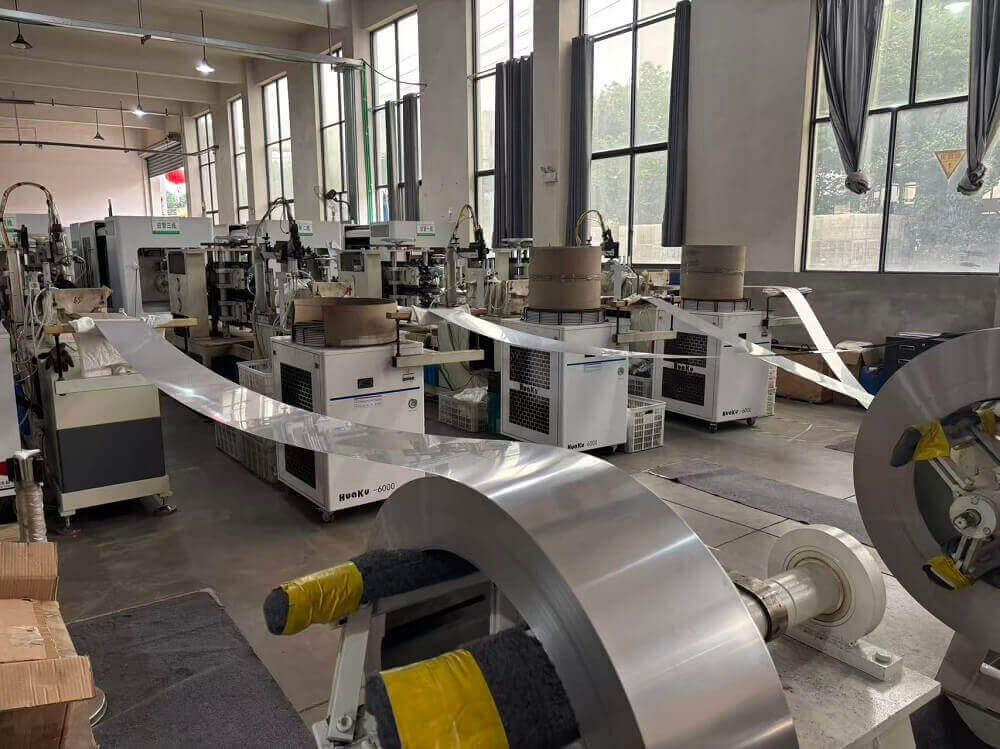
Private label water bottle pricing depends on more than the bottle itself. Customization, packaging, testing, and order quantity all affect the final cost.
| Customization Level | What Is Included | Cost Impact |
|---|---|---|
| Basic private label | Existing bottle model + logo | Lower cost, faster launch |
| Logo + color | Existing model + logo + custom color | Medium cost, higher MOQ may apply |
| Logo + packaging | Bottle + logo + retail box or gift box | Medium to higher cost |
| Advanced customization | Custom lid, special finish, insert card, barcode, carton marks | Higher cost and longer confirmation time |
| Custom mold | New bottle shape or structure | Highest cost and longest development time |
A very low quotation may look attractive, but it can hide problems such as thinner steel, weak coating, unstable lids, or poor packaging. Buyers should compare total value, not only unit price.
Step 5: Test Samples Like a Real Customer
Never approve a bulk order based only on catalog images. Samples help you check real product quality before mass production.
Test these points carefully:
- Leakage
- Insulation performance
- Lid function
- Coating durability
- Logo clarity
- Color accuracy
- Bottle weight
- Mouth opening
- Cleaning convenience
- Packaging strength
For leak testing, fill the bottle with water, shake it, turn it upside down, and place it in a bag. For coating, check whether the surface scratches easily. For logo quality, confirm that the logo is clear, centered, and suitable for the curved bottle surface.
A reliable supplier should have a clear water bottle quality control process before shipment.
Private Label Water Bottle Order Checklist
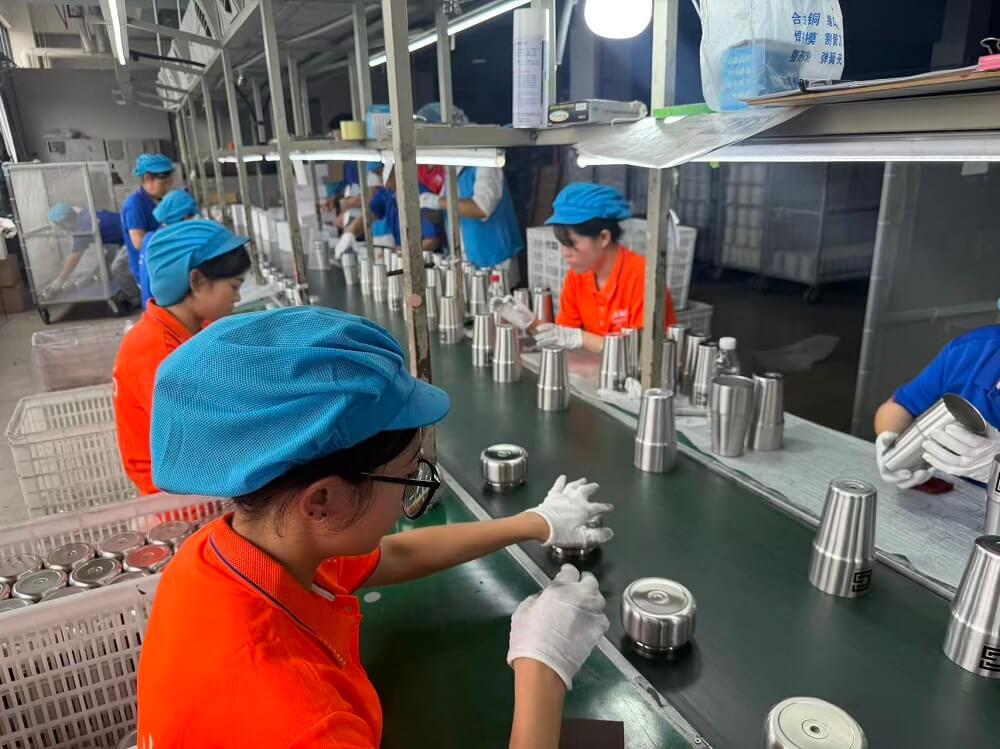
Before placing a private label water bottle order, confirm every key detail in writing. This helps avoid misunderstandings during sampling, production, packaging, and shipping.
| Order Item | What to Confirm | Why It Matters |
|---|---|---|
| Bottle model | Size, capacity, shape, lid type, material | Avoids receiving the wrong product |
| Stainless steel grade | 304 or 316 stainless steel, inner and outer wall material | Affects food safety, durability, and cost |
| Lid structure | Straw lid, flip lid, screw lid, handle lid | Affects leakage risk and user experience |
| Logo method | Laser engraving, screen printing, UV printing, heat transfer | Affects logo durability and brand image |
| Color and finish | Powder coating, painting, matte, glossy, gradient | Affects appearance, scratch resistance, and MOQ |
| Packaging | White box, gift box, retail box, insert card | Affects customer experience and shipping safety |
| Barcode and labels | UPC, FNSKU, carton marks, FBA labels | Important for Amazon, retail, and warehouse handling |
| Sample approval | Product sample, logo sample, packaging sample | Prevents bulk production mistakes |
| Quality inspection | Leakage, insulation, coating, logo, packaging | Reduces returns and complaints |
| Shipping details | Carton size, weight, pallet, destination, shipping method | Affects landed cost and delivery planning |
A private label order should not move to mass production until the sample, logo, color, packaging, and carton details are confirmed.
Factory Experience: Common Private Label Mistakes
From a manufacturing point of view, many private label problems are preventable.
Common mistakes include:
- Choosing a bottle only because it is trending
- Using a complicated logo on a curved surface
- Not testing the lid before bulk production
- Choosing weak packaging for e-commerce shipping
- Confirming colors only from screen images
- Forgetting barcode or FBA label requirements
- Not checking whether compliance reports match the exact product
- Ordering too many SKUs in the first batch
A good manufacturer should help you review these risks before production starts. The best supplier is not the one that says yes to everything. The best supplier helps you avoid expensive mistakes.
Common Quality Problems and How to Prevent Them
| Common Problem | Possible Cause | How to Prevent It |
|---|---|---|
| Leaking lid | Poor silicone seal, weak lid tolerance, bad straw structure | Test samples with shaking, upside-down placement, and repeated opening |
| Weak insulation | Poor vacuum layer or unstable production control | Ask for temperature retention testing before shipment |
| Coating scratches easily | Low-quality coating or poor surface treatment | Request coating checks and test samples in real use |
| Logo is unclear | Wrong logo method or curved bottle surface | Approve a physical logo sample before bulk production |
| Color mismatch | Color confirmed only from screen images | Use Pantone reference or physical color sample |
| Packaging damage | Weak box, thin carton, poor internal protection | Confirm box structure, carton strength, and packing method |
| Plastic odor | Low-quality lid material or poor material control | Check BPA-free material and test lid samples before production |
| Wrong labels | Missing barcode, FBA label, or incorrect carton mark | Confirm all label files before packing starts |
These problems are common in private label drinkware projects, but they are not unavoidable. A reliable manufacturer should help buyers test key risks during sampling and inspection, instead of only reacting after shipment.
Step 6: Confirm Compliance Requirements
If you sell water bottles in the US, EU, or retail channels, compliance matters. Buyers may need food-contact safety support, BPA-free confirmation, LFGB, REACH, Prop 65, or FDA-related documentation.
Useful official references include FDA food contact substances and EU food contact materials.
Do not only ask whether a supplier “has certificates.” Ask whether the report applies to the exact bottle, lid, silicone ring, coating, and color you plan to order.
Step 7: Choose the Right Manufacturer

A good private label project depends heavily on the manufacturer. The right supplier should help you choose models, test samples, recommend logo methods, confirm packaging, control quality, and prepare for bulk production.
Before ordering, ask:
- What bottle models are suitable for my market?
- What is the MOQ for logo, color, and packaging?
- Can I order samples before mass production?
- What logo method do you recommend?
- How do you test leakage and insulation?
- Can you support compliance documents?
- Can you support barcode, carton marks, or FBA labels?
- Do you accept third-party inspection?
- How do you handle quality issues?
For Amazon sellers, packaging and labeling are especially important. Suggested internal link: water bottle manufacturer for Amazon FBA sellers
FAQ
Are private label water bottles good for new brands?
Yes. Private label water bottles are suitable for new brands because they reduce development cost and shorten launch time. You can start with existing bottle models and customize the logo, color, finish, lid, and packaging.
What is the MOQ for private label water bottles?
MOQ depends on bottle type and customization method. Logo customization usually has a lower MOQ. Custom colors, custom packaging, special lids, and custom molds usually require higher quantities.
Can I sell private label water bottles on Amazon?
Yes. Many Amazon sellers use private label water bottles. You should focus on strong packaging, clear product photos, barcode labels, FBA requirements, low return risk, and stable quality.
Do I need a custom mold to start?
Not always. Most new brands can start with existing bottle models. Custom molds are better when you have proven demand, a larger budget, and a unique product idea.
What should I test before bulk production?
Test leakage, insulation, lid function, coating durability, logo effect, color accuracy, packaging strength, and real user experience.
How can I make my private label bottle different?
You can differentiate through target audience, bottle shape, lid design, color system, packaging, logo method, product quality, and use scenario. The difference should be useful, not only decorative.
Conclusion
Private label water bottles are a practical way to start or expand a drinkware brand. They allow you to build a branded product without the high cost and long timeline of full custom mold development.
The key is to choose the right product, test quality carefully, confirm compliance, design suitable packaging, and work with a manufacturer who understands private label production.
If you are building a water bottle brand, Amazon product line, corporate gift program, or wholesale drinkware business, private label can help you launch faster and reduce risk.
Need help developing private label water bottles?
Topnovo supports custom stainless steel water bottles, private label drinkware, logo customization, packaging development, sample support, quality control, Amazon FBA support, and bulk production for brands, wholesalers, Amazon sellers, and corporate gift buyers.
Request a water bottle sample or contact Topnovo to discuss your private label project.