
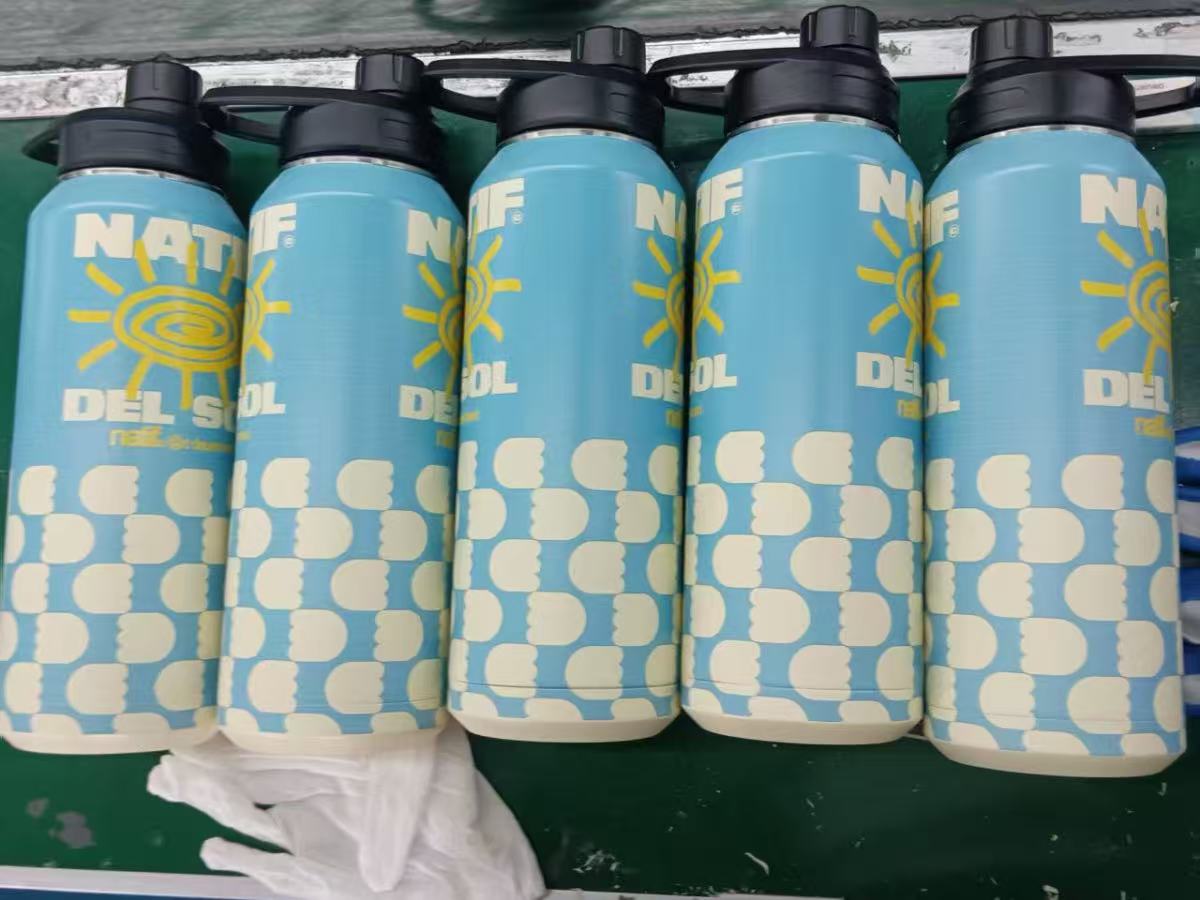
To buy bulk insulated water bottles from China, first define your target market, sales channel, bottle specifications, customization requirements, compliance needs, packaging, and delivery schedule.
Then shortlist suitable manufacturers, submit a detailed RFQ, order samples, test the product, approve the logo and packaging, confirm quality standards in writing, and arrange inspection before shipment.
A reliable supplier should provide more than a low unit price. It should be able to support stable product quality, OEM and ODM customization, private label production, custom colors, logo printing, laser engraving, packaging development, compliance support, quality inspection, export documentation, and freight coordination.
For brands, wholesalers, Amazon sellers, promotional product companies, retailers, and importers, China remains one of the most established sourcing markets for stainless steel drinkware. However, successful sourcing depends on choosing the right product and manufacturing partner, not simply the cheapest quotation.
Why Buy Bulk Insulated Water Bottles from China?
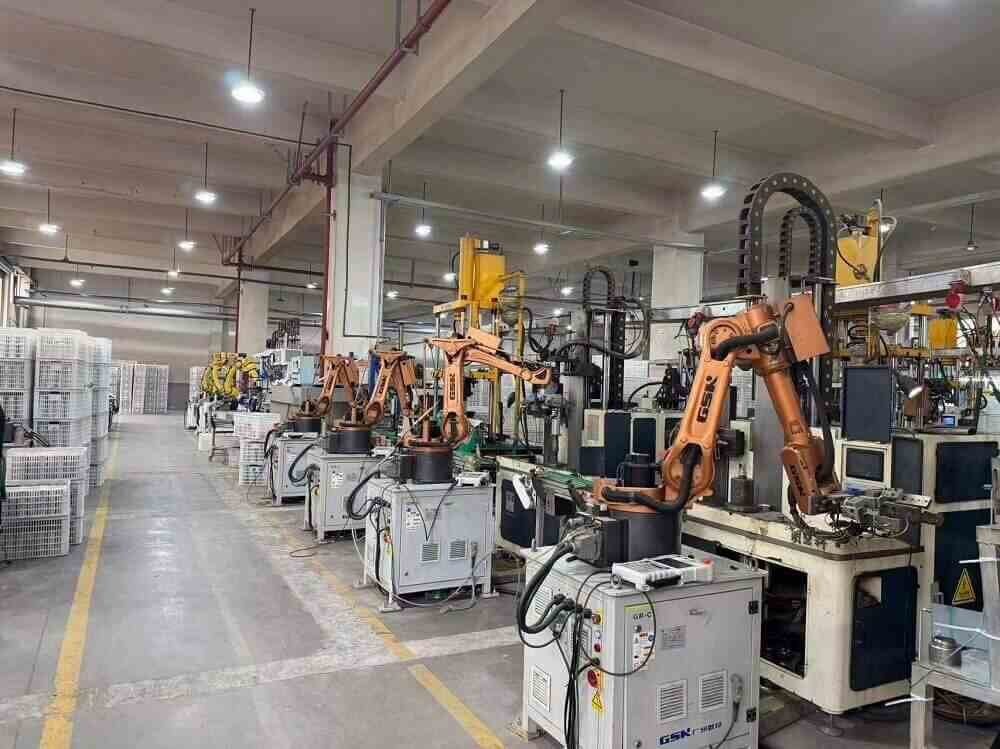
China has a mature supply chain for stainless steel water bottles, insulated tumblers, coffee mugs, travel mugs, food jars, plastic lids, silicone components, coatings, packaging, and accessories.
For B2B buyers, sourcing from China can offer several advantages:
- Wide bottle size and shape options
- OEM and ODM development
- Private label packaging
- Custom logo and color services
- Competitive bulk pricing
- Large production capacity
- Export experience for US, EU, and global markets
- Multiple shipping options for commercial orders
However, supplier capabilities vary significantly. A weak supplier may cause leaking lids, poor vacuum insulation, inconsistent coating colors, scratched surfaces, unclear logos, weak retail packaging, missing labels, delayed production, or inconsistent quality between samples and bulk orders.
These problems can lead to returns, refunds, negative reviews, missed promotions, and damaged customer relationships.
Step 1: Define Your Market and Sales Channel
Before contacting a manufacturer, define who will buy the product and where it will be sold.
| Buyer Type | Main Priorities | Recommended Focus |
|---|---|---|
| Amazon sellers | Low return rate, strong packaging, accurate labeling | Proven models, leak testing, FBA labels, drop-resistant cartons |
| Wholesalers | Stable quality, pricing, repeat supply | Standardized models and consistent production |
| Retail brands | Shelf appeal, branding, retail packaging | Custom colors, barcodes, display-ready boxes |
| Corporate gift buyers | Logo quality, delivery time, presentation | Laser engraving, gift boxes, reliable schedules |
| Fitness brands | Capacity, grip, straw function | Large-capacity bottles, straw lids, ergonomic handles |
| Outdoor brands | Durability, insulation, portability | Strong handles, durable coatings, secure lids |
| Premium brands | Design, finish, perceived value | Custom finishes, exclusive colors, premium packaging |
Defining the market first helps you choose the correct bottle size, lid, coating, packaging, and target price.
Step 2: Choose the Right Bottle Type
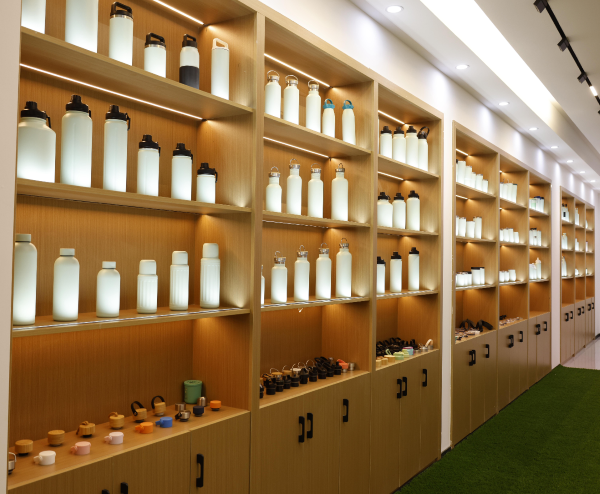
Bulk insulated water bottles are available in many structures and capacities. Common options include standard insulated water bottles, wide-mouth bottles, narrow-mouth bottles, straw-lid bottles, flip-top sports bottles, handle-lid bottles, kids insulated bottles, travel mugs, coffee tumblers, shaker bottles, and corporate gift bottles.
A custom stainless steel water bottle is a practical starting point for many brands because it is durable, reusable, suitable for hot and cold drinks, and easy to customize.
Before selecting a model, ask:
- Who is the end user?
- What capacity does the market prefer?
- Will the bottle be used in a car, office, gym, school, or outdoors?
- Does it need to fit a standard cup holder?
- Is a straw lid or direct-drink lid more suitable?
- Does the product need to be fully leak-proof?
- What retail price should the finished product support?
For a first order, launching one or two well-tested models is usually safer than ordering many sizes and colors at the same time.
Step 3: Prepare a Complete RFQ
Many buyers ask suppliers only one question: “What is your best price?”
This usually produces an inaccurate quotation. The price of bulk insulated water bottles depends on the full specification.
| RFQ Item | Information to Provide |
|---|---|
| Product type | Water bottle, tumbler, mug, or shaker |
| Capacity | 20 oz, 24 oz, 32 oz, 40 oz, etc. |
| Quantity | Total quantity and quantity per color |
| Material | 304 stainless steel, 316 stainless steel, or other |
| Lid type | Straw lid, flip lid, handle lid, or screw lid |
| Color | Standard color or Pantone number |
| Surface finish | Powder coating, gloss, matte, gradient, or textured |
| Logo | Laser engraving, screen printing, UV printing, or heat transfer |
| Packaging | White box, color box, gift box, or display box |
| Labels | Barcode, FNSKU, carton mark, or compliance label |
| Testing | Required market and test standards |
| Destination | Country, port, warehouse, or Amazon fulfillment center |
| Trade term | EXW, FOB, CIF, DAP, or DDP |
A complete RFQ helps suppliers provide a more accurate price and reduces later misunderstandings.
Step 4: Confirm Materials and Product Construction
Material quality affects food safety, durability, insulation, and customer trust.
Most insulated stainless steel bottles use 304 stainless steel for the inner wall. Some premium products may use 316 stainless steel for improved corrosion resistance.
Before placing an order, confirm:
- Inner wall stainless steel grade
- Outer wall stainless steel grade
- Lid plastic material
- Straw material
- Silicone seal material
- BPA-free component requirements
- Surface coating
- Food-contact test support
Do not only ask, “Is this bottle food grade?” Ask the supplier to identify the material used in each food-contact component, including the bottle body, lid, straw, silicone sealing ring, and any internal coating.
For US food-contact guidance, buyers can refer to FDA food contact substances. For the EU market, buyers can refer to EU food contact materials. Depending on the market, buyers may also need to consider REACH or California Proposition 65.
Step 5: Select the Right Customization Method
Customization can affect appearance, durability, MOQ, lead time, and unit cost.
Common customization options include laser engraving, screen printing, pad printing, UV printing, heat transfer printing, water transfer printing, full-wrap printing, custom powder coating, gradient coating, custom lid colors, custom packaging, and custom molds.
| Logo Method | Best For | Main Advantage | Points to Check |
|---|---|---|---|
| Laser engraving | Premium brands and corporate gifts | Durable and clean | Engraving contrast and position |
| Screen printing | Simple one- or two-color logos | Cost-effective | Ink adhesion and print registration |
| UV printing | Multicolor artwork | Strong visual impact | Scratch resistance and curved surfaces |
| Heat transfer | Full-wrap graphics | Large print area | Artwork alignment and color accuracy |
| Water transfer | Complex decorative patterns | Covers irregular surfaces | Surface consistency |
For premium corporate gift projects, custom engraved stainless steel water bottles are often a suitable choice because laser engraving is durable and does not rely on surface ink.
Always approve a physical logo sample before mass production.
Step 6: Understand MOQ, Unit Price, and Total Landed Cost
MOQ is influenced by more than the bottle model. Custom color, custom packaging, special coating, new lids, and mold development may each have different minimum quantities.
| Cost Factor | Why It Matters |
|---|---|
| Bottle capacity | Larger bottles use more stainless steel and packaging material |
| Stainless steel grade | 304 and 316 stainless steel have different costs |
| Lid structure | Straw lids, locking lids, and handles require more components |
| Surface finish | Powder coating, gradient, and textured finishes vary in cost |
| Logo method | Laser, UV, and heat transfer have different production costs |
| Packaging | Retail and gift packaging increase material and labor costs |
| Quantity | Larger orders usually reduce unit production cost |
| Testing | Laboratory testing may add project costs |
| Inspection | Third-party inspection may need to be budgeted |
| Freight | Carton dimensions and weight affect shipping cost |
Total Landed Cost = Product Cost + Customization + Packaging + Testing + Inspection + Freight + Duty + Tax + Local Delivery
The lowest unit price is not always the lowest total cost. A cheap bottle may create higher costs later through returns, refunds, poor reviews, packaging damage, delayed launches, and urgent air freight.
Step 7: Order Samples and Test Them Properly
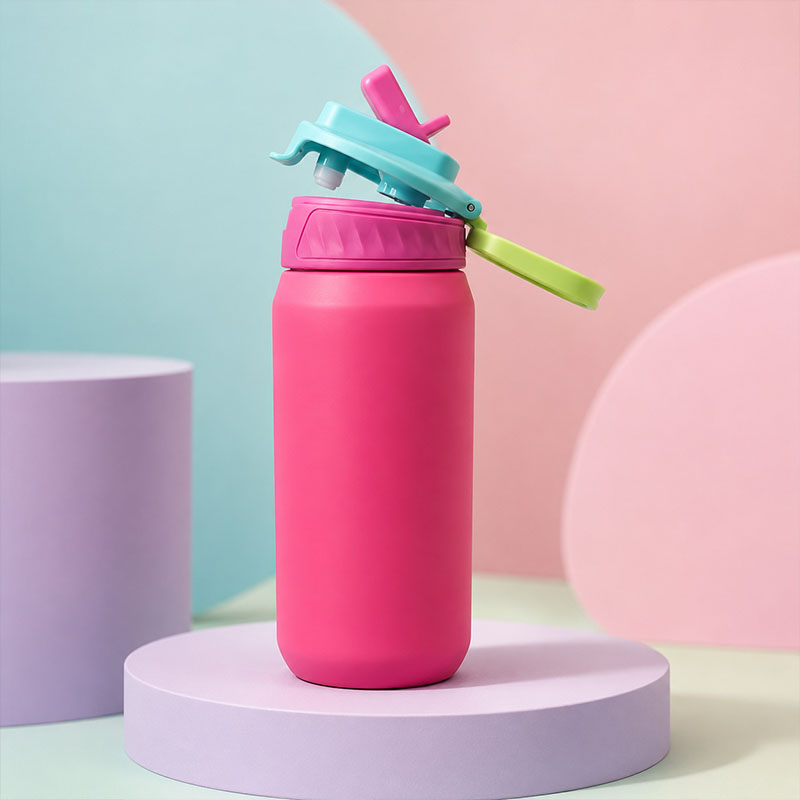
Never approve a bulk order based only on photographs or catalog specifications.
Useful sample stages may include stock sample, customized logo sample, color sample, packaging sample, and pre-production sample.
When testing samples, check:
- Product capacity
- Bottle weight
- Lid fit
- Straw function
- Handle strength
- Cup-holder fit
- Coating consistency
- Logo clarity
- Color accuracy
- Packaging fit
For leakage testing, fill the bottle with water, close the lid correctly, shake it, turn it upside down, place it horizontally, open and close the lid repeatedly, and carry it inside a bag.
For insulation testing, record the starting water temperature, room temperature, test duration, and temperature at each inspection point.
For coating testing, check whether the surface scratches easily, peels around the rim, chips after impact, or changes after washing.
Step 8: Evaluate the Manufacturer
A good product sample does not automatically mean the supplier can manage stable bulk production. The factory should be evaluated as a complete production and service system.
| Evaluation Area | Suggested Weight | What to Check |
|---|---|---|
| Quality control | 25% | Inspection stages, test records, defect handling |
| Manufacturing capability | 20% | Equipment, capacity, production lines, workforce |
| Customization ability | 15% | Logo, coating, lids, packaging, mold development |
| Compliance support | 15% | Material documents and test-report support |
| Communication | 10% | Response speed, clarity, problem-solving |
| Lead-time control | 10% | Production planning and delivery history |
| Product development | 5% | New designs, engineering support |
Ask the supplier:
- Are you a factory, trading company, or factory-owned sales company?
- Which processes are completed in-house?
- Which processes are outsourced?
- How do you control coating, printing, or packaging quality?
- Can you provide quality records for the order?
- Do you accept third-party inspection?
- How do you manage peak-season orders?
- Can you support repeat orders with consistent colors and components?
A video call, factory audit, or third-party inspection can provide additional confidence for larger orders.
Step 9: Define Quality Standards Before Production
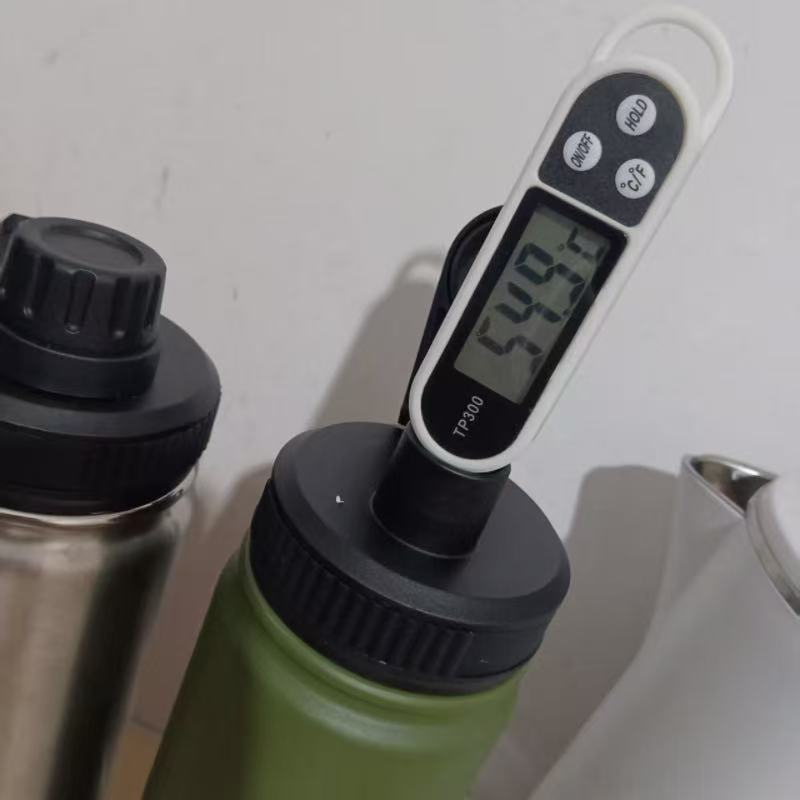
“Good quality” is not a measurable production standard.
The purchase order or product specification should clearly state what is acceptable, including product model, capacity tolerance, material specification, product weight range, color standard, logo size and position, coating appearance, lid performance, leakage requirements, insulation test method, packaging specification, barcode requirements, acceptable defect criteria, inspection method, and claim procedure.
Recommended quality-control stages include:
- Incoming quality control for stainless steel, lids, silicone rings, straws, packaging, and coating materials
- In-process quality control during forming, welding, polishing, vacuum processing, coating, printing, and assembly
- Final quality control for appearance, function, leakage, insulation, logo, packaging, quantity, and carton marks
- Pre-shipment inspection before balance payment or shipment release
Topnovo’s water bottle quality control process can be used as an internal reference link here.
Step 10: Confirm Packaging, Labels, and Shipping Marks

Packaging protects the product and affects the customer’s first impression. Poor packaging can damage a good bottle before it reaches the buyer.
Confirm individual box dimensions, box material, inner protection, gift-box structure, instruction cards, barcode labels, FNSKU labels, country-of-origin labels, carton marks, carton quantity, carton dimensions, gross weight, net weight, and pallet requirements.
For Amazon sellers, also confirm FBA label placement, barcode readability, carton weight limits, master-carton markings, shipment-plan requirements, and warehouse destination.
Suggested internal link: water bottle manufacturer for Amazon FBA sellers
Step 11: Plan Shipping and Import Documentation
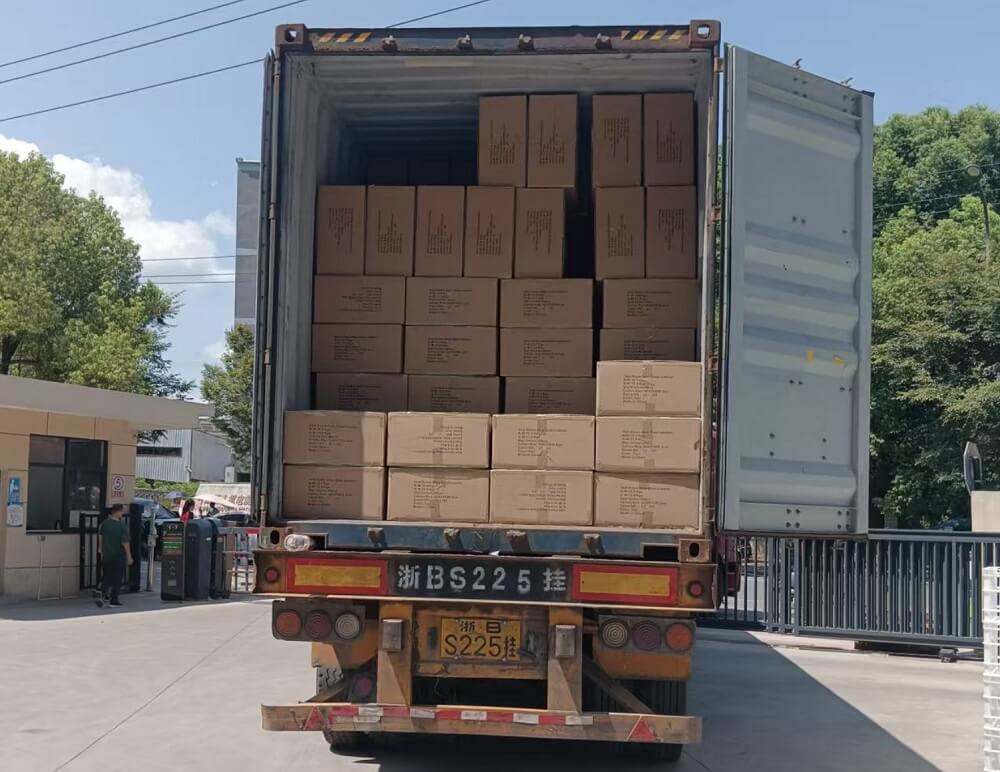
Shipping should be considered before the order is placed, not after production is completed.
Common shipping options include express delivery for samples, air freight for urgent orders, sea freight for bulk orders, door-to-door delivery, Amazon FBA delivery, and split shipments to multiple warehouses.
Common documents may include commercial invoice, packing list, bill of lading, air waybill, certificate of origin, test reports, customs declaration documents, product labels, carton marks, and insurance documents.
HS codes, duties, taxes, and import requirements depend on the product and destination country. Buyers should confirm these details with a licensed customs broker or freight forwarder.
Common Quality Problems and How to Prevent Them
| Problem | Possible Cause | Prevention |
|---|---|---|
| Leaking lid | Poor sealing ring, lid tolerance, or assembly | Test approved samples and inspect bulk lids |
| Weak insulation | Vacuum failure or unstable processing | Define a temperature test and inspect before shipment |
| Scratched coating | Weak pretreatment or poor handling | Approve coating sample and inspect surface durability |
| Peeling logo | Incorrect ink or curing process | Conduct adhesion testing and approve physical samples |
| Color mismatch | Screen-only confirmation | Use Pantone references or approved physical samples |
| Strong odor | Low-quality plastic or improper storage | Confirm materials and evaluate samples |
| Loose handle | Weak assembly or structure | Test repeated lifting and loaded use |
| Damaged packaging | Weak box or poor internal protection | Approve packaging and conduct drop testing |
| Incorrect labels | File or packing error | Approve label files and conduct final packing inspection |
Practical Sourcing Case: Start Small, Then Scale
A common mistake among new buyers is launching too many models at the beginning.
For example, an e-commerce buyer may plan six bottle sizes with eight colors per size. That creates 48 SKUs before the market has been tested.
A lower-risk approach is to select one proven bottle model, choose two or three marketable colors, approve one logo method, test the packaging, place a controlled first order, collect customer feedback, and then add new colors or sizes based on sales data.
This approach reduces inventory pressure and makes it easier to identify the cause of any quality or packaging problem.
Bulk Insulated Water Bottle Order Checklist
Before paying a deposit, confirm all important details in writing.
| Order Area | What to Confirm |
|---|---|
| Product | Model, capacity, dimensions, weight, lid |
| Material | Stainless steel grade, plastic, silicone |
| Color | Pantone number or approved physical sample |
| Logo | Method, size, position, artwork |
| Packaging | Box, insert, label, carton |
| Sample | Product, logo, color, packaging approval |
| Quality | Leakage, insulation, coating, appearance |
| Compliance | Required market documents and testing |
| Quantity | Total quantity and breakdown by color |
| Production | Lead time and inspection schedule |
| Shipping | Trade term, destination, delivery method |
| Payment | Deposit, balance, payment milestone |
| Claims | Defect handling and replacement agreement |
Why Work With Topnovo?
Topnovo supports brands, wholesalers, importers, Amazon sellers, distributors, and promotional buyers with custom stainless steel drinkware projects.
Topnovo’s product and service capabilities include:
- Bulk insulated water bottles
- Custom stainless steel water bottles
- Custom engraved stainless steel water bottles
- Insulated tumblers and mugs
- OEM and ODM development
- Private label production
- Custom colors and finishes
- Logo customization
- Packaging development
- Sample production
- Quality inspection
- Amazon FBA preparation
- Bulk export shipping support
Topnovo has more than 10 years of drinkware manufacturing experience, a 24,000-square-meter production base, annual capacity of more than 9 million units, and 16 full-time QC inspectors.
The team can support both trial orders and larger drinkware programs, from product selection and customization to quality control, packaging, and delivery.
FAQ
What is the MOQ for bulk insulated water bottles from China?
MOQ depends on the bottle model, available stock, color, logo method, and packaging. A standard bottle with a simple logo may have a lower MOQ. Custom colors, special coatings, new lids, custom packaging, and new molds usually require higher quantities.
Can I order a custom stainless steel water bottle with my logo?
Yes. Common logo methods include laser engraving, screen printing, UV printing, heat transfer, and water transfer. The best option depends on your artwork, bottle surface, desired durability, order quantity, and budget.
Are custom engraved stainless steel water bottles suitable for corporate gifts?
Yes. Laser engraving is widely used for corporate and promotional drinkware because it creates a clean and durable logo. The engraving effect should be tested on the actual bottle color and coating before production.
How long does bulk production take?
Production time depends on the product and customization. Existing models with standard logo customization may be faster, while custom colors, special packaging, new lids, and mold development require more time.
What should I test before mass production?
Test leakage, insulation, lid function, coating durability, logo quality, color accuracy, product dimensions, packaging strength, and real user experience.
Should I arrange a third-party inspection?
Third-party inspection can be useful for new suppliers, large orders, complex customization, retail launches, and orders with strict packaging requirements.
Is China a good place to source insulated water bottles?
Yes. China has a mature stainless steel drinkware supply chain, strong customization capabilities, and extensive export experience. The key is selecting a manufacturer with stable production, effective quality control, clear communication, and appropriate compliance support.
Conclusion
Buying bulk insulated water bottles from China can be a smart choice for brands, wholesalers, Amazon sellers, retailers, promotional product companies, and importers. But a successful order requires more than comparing prices.
Buyers should define the target market, prepare a complete RFQ, confirm materials, choose the right customization method, test samples carefully, define quality standards, verify packaging, and plan shipping before production begins.
If you are developing bulk insulated water bottles, a custom stainless steel water bottle project, or custom engraved stainless steel water bottles for your brand, working with an experienced manufacturer can help reduce risk and improve long-term supply stability.
Need help sourcing bulk insulated water bottles from China?
Topnovo supports custom stainless steel water bottles, OEM/ODM insulated drinkware, private label packaging, custom engraved stainless steel water bottles, quality control, Amazon FBA support, and bulk production for global B2B buyers.
Request a water bottle sample or contact Topnovo to discuss your next bulk insulated bottle project.