
We’ve all been there. You reach for your favorite water bottle after a long workout or a busy morning at the office. You take a deep, refreshing gulp—only to be met with a faint, damp, “earthy” aftertaste. It’s that unmistakable smell of a wet basement or a pile of damp towels.
You look inside. The water looks clear. You rinsed it this morning, right? But that lingering funk is a biological warning sign. Your “clean” water bottle might actually be a thriving metropolis for mold and biofilm. If you aren’t cleaning it correctly, you aren’t just hydrating—you’re micro-dosing bacteria.
Can Mold Really Grow in My Water Bottle?
The short answer: Yes, and faster than you think. Mold and bacteria don’t need much to thrive—just moisture, a dark environment, and a tiny bit of organic matter (like backwash or saliva).
The “Hidden” Danger Zones
It’s rarely the flat walls of the bottle that are the problem. Mold is a master of hide-and-seek. It settles in:
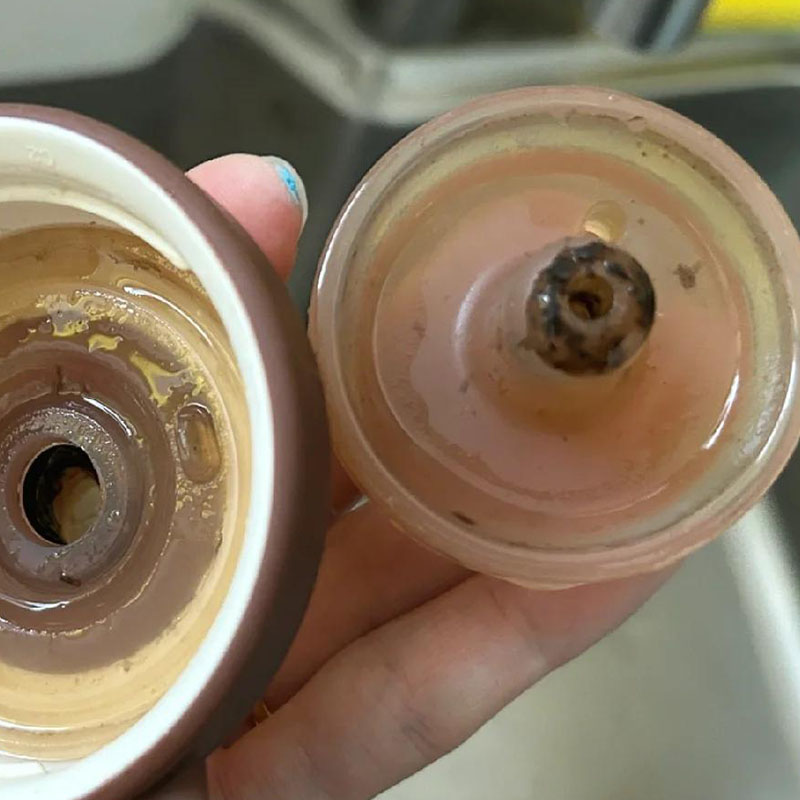
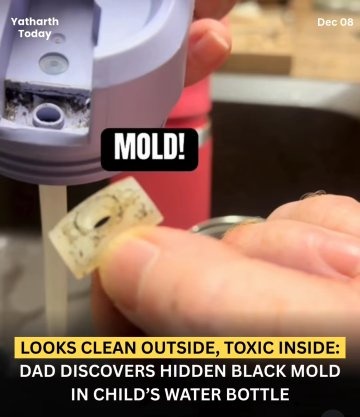
- The Silicone Gasket: That clear or grey ring inside the lid.
- The Straw & Bite Valve: Complex crevices that stay damp for hours.
- The Threads: Where the lid screws onto the bottle.


Plastic vs. Stainless Steel: The Surface Science
Not all materials are created equal when it comes to hygiene.
- Plastic Bottles: Over time, plastic develops microscopic scratches (especially if you use abrasive brushes). These tiny grooves are like “luxury condos” for bacteria, making them nearly impossible to sanitize fully.
- Stainless Steel (304/316 Grade): Non-porous and naturally more resistant to bacterial adhesion. However, the lid is almost always plastic or silicone, meaning even a steel bottle isn’t “mold-proof.”
How to Properly Clean Your Plastic vs. Stainless Steel Bottle
Cleaning isn’t a “one-size-fits-all” task. Depending on whether your bottle is crafted from lightweight plastic or durable double-walled steel, the buildup of stains and the risk of damage vary significantly.
Cleaning Plastic Bottles: Dealing with Porous Pores
Plastic bottles are prone to absorbing odors and harboring bacteria in microscopic scratches. They are particularly susceptible to tea and coffee stains. The acidic compounds in these beverages can build up over time, forming stubborn stains that may affect both the appearance and the bottle’s overall hygiene.
- The Solution: To remove these stubborn residues, mix baking soda with warm water to create a gentle abrasive paste. Use a soft brush to scrub the interior gently, ensuring you don’t create new scratches where mold can hide.The Rinse: Always rinse thoroughly with lukewarm water. Avoid boiling water, as high temperatures can warp the plastic or cause it to leach chemicals.
Sanitizing Stainless Steel: Battling Stains and Rust
Stainless steel is the gold standard for insulation, but it isn’t invincible. While high-quality steel is resistant to corrosion, oxidation or external damage can occasionally lead to rust spots, especially in lower-quality bottles or those with compromised coatings.
- Removing Rust & Oxidation: Rust is often caused by improper use or exposure to acidic or salty liquids. If you spot “pitting” or orange spots, clean the affected areas with white vinegar or a neutral detergent mixed with warm water. Gently scrub the area with a non-metallic brush and rinse thoroughly to restore the surface.
- Deep Stain Removal: Just like plastic, steel can fall victim to tea and coffee buildup which can eventually affect the bottle’s thermal performance. A soak in a white vinegar and warm water solution is the most effective way to break down these mineral deposits without damaging the metal.
Why Proper Maintenance Matters
Pro-Maintenance: Preventing Permanent Damage
Regardless of the material, how you use your bottle determines how long it stays “mold-free.”
Avoid Salt & Acid: To prevent rust and material degradation, avoid storing highly acidic (like pure lemon juice) or salty beverages in your bottle for extended periods.
The Golden Rule of Drying: Rust and mold both love stagnant moisture. After cleaning, always store your bottle with the lid off in a well-ventilated area.
Know When to Let Go: If you see black spots inside a plastic bottle that won’t scrub away, or if a stainless steel bottle has a metallic taste that persists after cleaning, toss it.
Pro Tip: If you’re dealing with a low-quality bottle that rusts at the seams or has a “chemical” plastic smell that never fades, it’s not just a cleaning issue—it’s a material safety issue. Invest in a high-quality 304 Food-Grade Stainless Steel bottle. It’s a one-time purchase that protects your health for years.
If you are looking for a bottle that combines durability with the highest safety standards, Topnovo stands out as a leading manufacturer in the industry. Whether you prefer the lightweight convenience of plastic or the thermal power of stainless steel, Topnovo ensures every product meets rigorous global standards