
When buyers search for a BPA-free water bottle, one material often appears again and again: Tritan. In the water bottle industry, Tritan is widely used because it combines clarity, impact resistance, and odor resistance in a reusable bottle material designed for everyday hydration products. Eastman, the brand owner of Tritan, describes it as a BPA-free copolyester used in drinkware and water bottles, with durability and clarity as key benefits.
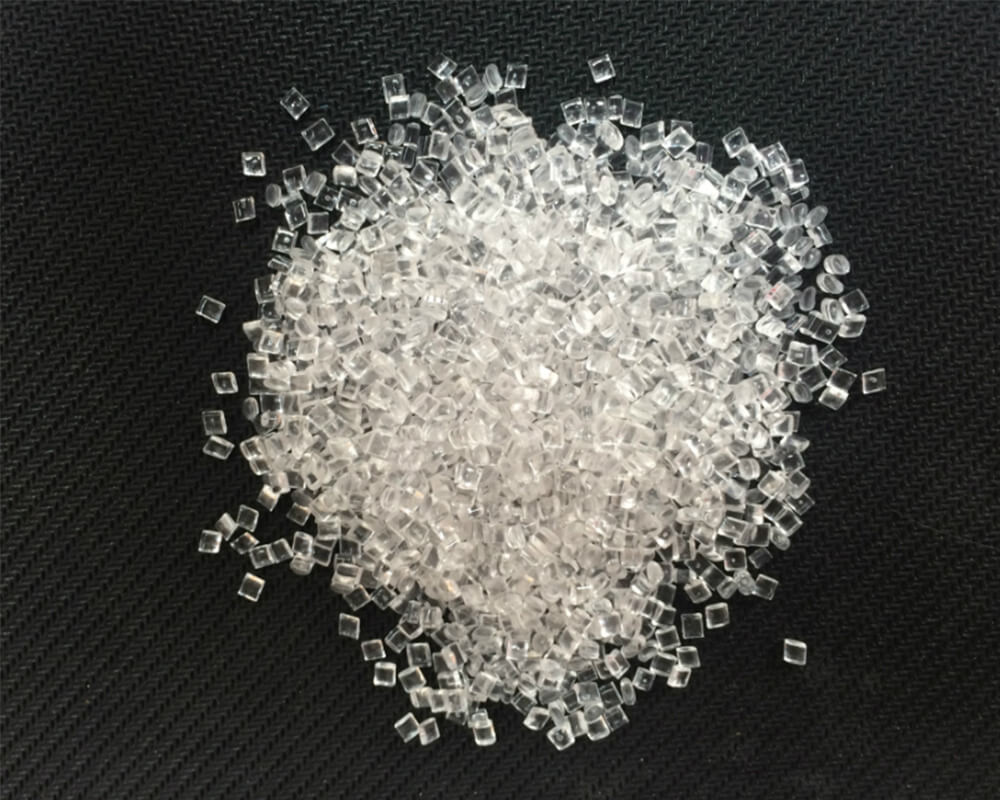
What is BPA-free Tritan?
Yes, Tritan is a copolyester plastic designed for food-contact and reusable products. In the Tritan water bottle industry, it is valued for its clear appearance, durability, and resistance to odors and stains. Compared with many ordinary plastics, Tritan offers a more premium look while remaining lightweight and practical for daily use. That is why it is widely used in sports water bottles, kids’ water bottles, and other reusable drinkware.
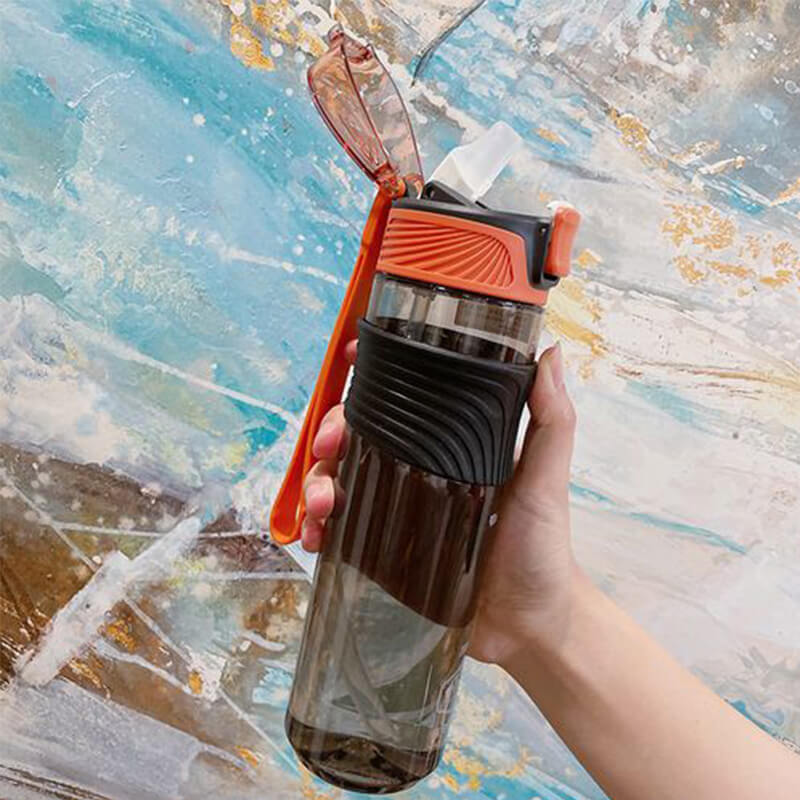
Is Tritan Safe?
Safety is one of the main concerns people have when choosing plastic materials, especially because some plastics may contain substances such as BPA that have raised health concerns over time. For this reason, many consumers and manufacturers look for materials that offer greater reassurance in food-contact and everyday-use applications.
Tritan was developed as a BPA-free copolyester and is also described as free from other bisphenols such as BPS. It has been widely recognized for use in products that require a combination of safety, durability, and clarity. Under normal conditions of use, Tritan is valued for its stability and for maintaining its performance even with repeated washing and regular exposure to heat.
Because of these qualities, Tritan has become a trusted material in many consumer products where safety and long-term reliability are important considerations.
How Is Tritan Different from Ordinary Plastic?
Although Tritan may appear similar to other clear plastics at first glance, it differs significantly from common materials such as PET, PP, and PC in both performance and user experience.
One of Tritan’s most noticeable advantages is its exceptional clarity. Unlike many ordinary plastics that may become cloudy, dull, or yellow over time, Tritan maintains a clean, glass-like appearance, giving products a more refined and premium look.
Tritan is also valued for its strong durability. Compared with standard plastics that may crack, become brittle, or lose strength after repeated use, Tritan offers better impact resistance and long-term structural stability. This makes it a more reliable material for products designed for frequent handling and extended use.
Another important difference is its resistance to heat and repeated cleaning. While some conventional plastics may deform or degrade under high temperatures, Tritan is designed to perform more consistently during everyday exposure to heat, washing, and regular use.
In addition, Tritan offers a longer-lasting appearance. Its resistance to scratches, stains, and retained odors helps products stay cleaner and look newer for a longer period of time.
In summary, Tritan stands out from ordinary plastic by combining clarity, durability, heat resistance, and BPA-free reassurance in a single material, making it a more advanced and dependable option than many conventional plastics.
Why Do So Many Brands Use Tritan for Water Bottles?
Tritan has become popular because it offers several practical benefits that match what modern water bottle buyers want.
- It Is BPA-Free
This is one of the strongest reasons Tritan is used in consumer drinkware. Many buyers, especially in retail, school, sports, and family product categories, expect reusable bottles to be clearly labeled as BPA-free. - It Looks Better Than Many Standard Plastics
Tritan is known for its excellent transparency and clean appearance. For brands, this makes the product look more premium on shelves, in online images, and in promotional materials. - It Is Durable for Everyday Use
A good water bottle needs to survive drops, travel, and repeated daily handling. Tritan is widely chosen because it has strong impact resistance compared with many ordinary brittle plastics. - It Resists Odors and Stains
This matters in real-world use. Customers may fill bottles with water, juice, tea, sports drinks, or flavored beverages. A better bottle material should not easily absorb odor or discolor after repeated use. - It Is Lightweight
Compared with stainless steel bottles, Tritan bottles are much lighter. This makes them a good choice for sports bottles, school bottles, commuting bottles, and everyday hydration products.

Final Thoughts
So, is BPA-free Tritan safe for water bottles?
For normal reusable bottle applications, Tritan is widely used because it is BPA-free, lightweight, durable, and well suited to everyday hydration products.
But for brands, importers, and distributors, choosing the right bottle goes beyond the raw material alone. A successful Tritan water bottle project also depends on authentic materials, good design, reliable lids, quality production, and proper testing.
If you are developing a new reusable bottle line, Tritan is often a strong option when you want a clear, durable, and market-friendly alternative to ordinary plastic.
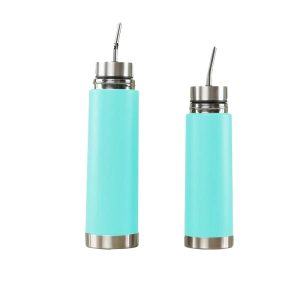
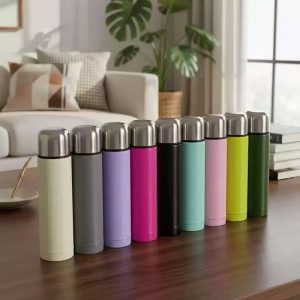
Stainless steel water bottle
Traditional Organic Caffeine and Tea Drink Glass Yerba Mate Bottle
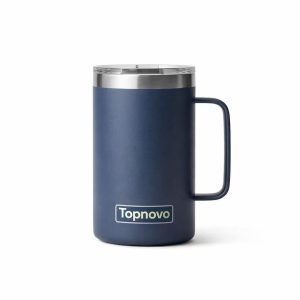


Mug
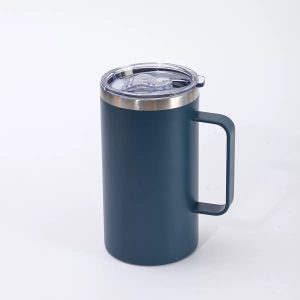
Mug