
When people ask whether Tritan plastic is safe, they are usually asking a practical question, not a technical one.
They want to know whether a material feels trustworthy, whether it suits everyday use, and whether it is the right choice for the product they want to develop. For brands, importers, and distributors, that decision affects product positioning, customer confidence, and long-term value just as much as it affects material selection.

(pic source: Eastman)
Tritan keeps coming up in those conversations because it sits in an interesting place in the market. It is a plastic, but not the kind of plastic most buyers picture when they think of low-cost, short-life drinkware. Eastman describes Tritan as a BPA-free and BPS-free copolyester used in food-contact products, including hydration items, and highlights its clarity, toughness, and stain and odor resistance.
What Is Tritan Plastic?
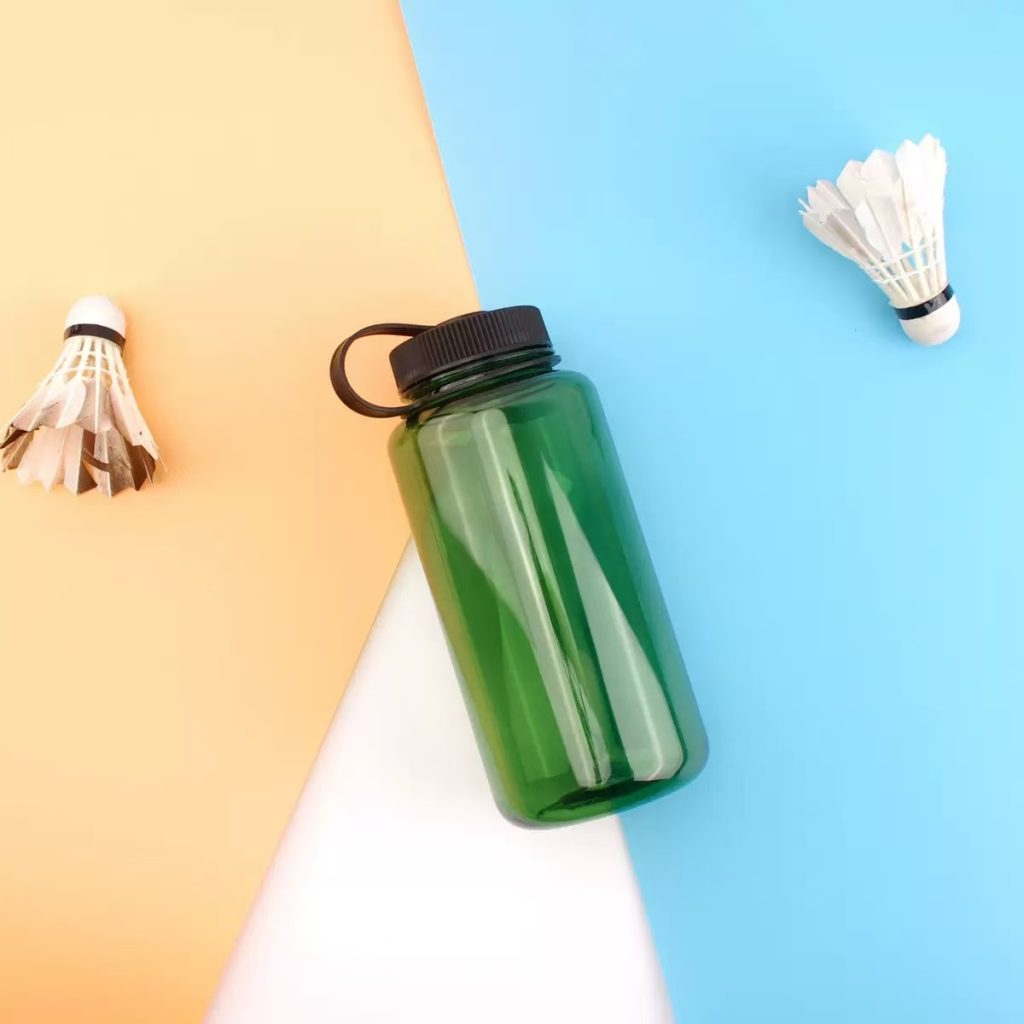
Tritan plastic is a copolyester developed for reusable food-contact applications. It is widely used in drinkware and other consumer products that need a balance of clarity, durability, and everyday practicality. Unlike many ordinary plastics, Tritan is often positioned as a more refined material because it looks cleaner, feels more polished, and is designed for repeated use.
That is one reason a tritan bottle often appeals to buyers who want a lightweight product without the lower-end feel sometimes associated with standard plastic. In many product lines, a tritan drinking bottle is chosen because it offers portability and a modern appearance while still fitting the expectations of reusable drinkware.
Is Tritan Plastic Safe?
In general, Tritan is widely positioned as a suitable material for many food-contact and reusable products. Eastman states that Tritan is BPA-free, BPS-free, and food-contact safe, and says third-party testing supports those claims.
But buyers should look at this question carefully. “Safe” is not only about a single label or a familiar marketing phrase. Food-contact safety is usually evaluated in terms of intended use, material composition, and whether substances can migrate into food or drink under real conditions of use. EFSA explains that chemicals in food-contact materials can transfer into food and beverages, which is why these materials are assessed based on migration and toxicological data.
That is why experienced buyers do not stop at “BPA-free.” They ask whether the finished product is well made, whether the supplier understands compliance for the target market, and whether the full product, not just the body material, is suitable for repeated daily use.
Why Many Brands Choose a Tritan Bottle?
A cleaner safety story
One of the biggest reasons buyers like Tritan is its market positioning. Eastman states that BPA and BPS are not used as raw materials in Tritan, which makes it easier for brands to communicate a cleaner and more reassuring material story.
Better appearance than many ordinary plastics
A tritan plastic water bottle usually has a clearer, more polished look than many low-cost plastic alternatives. That matters in retail, gifting, and e-commerce, where visual quality affects first impressions.
Good durability for repeated use
Eastman’s hydration materials describe Tritan as durable and shatter resistant, which helps explain why it is often used in reusable drinkware rather than short-life promotional products.
Resistance to stains and odors
In repeated-use drinkware, odor retention and discoloration can quickly damage the user experience. Tritan is often preferred because it is positioned as resistant to stains and odors, which supports a longer-lasting, cleaner-looking product.
How does the product perform after repeated use?
Washing, handling, and daily wear all shape how a reusable product is judged by end users.
This is where a buyer’s perspective becomes more useful than a simple material definition. A tritan water bottle may be well positioned in the market, but the final result still depends on structure, accessory quality, and production control.
Tritan Bottle vs Ordinary Plastic vs PPSU Plastic
The real decision for many buyers is not whether Tritan is safe in isolation. It is whether Tritan is the right choice compared with other plastic materials used in drinkware and food-contact products.
| Factor | Tritan | Ordinary Plastic | PPSU Plastic |
|---|---|---|---|
| Safety positioning | Strong BPA-free and BPS-free story | Varies by resin and grade | High-performance plastic with strong safety perception |
| Appearance | Clear, polished, modern | Often more basic | Amber-toned, less transparent |
| Weight | Light | Light | Light |
| Odor and stain resistance | Stronger | Less consistent | Strong |
| Durability | Good impact resistance | Varies widely | Excellent durability and heat resistance |
| Heat resistance | Good for repeated everyday use | Varies widely | Very strong, suitable for repeated high-temperature sterilization |
| Best fit | Lightweight reusable drinkware | Budget-driven products | Premium baby products and high-temperature applications |
A tritan bottle makes sense when a brand wants a lightweight, reusable product with a clear appearance and a more refined material story than many ordinary plastics can offer. A tritan drinking bottle is often chosen for daily hydration products where visual clarity, portability, and user-friendly design all matter.
In short, if you need extreme heat tolerance (like in medical equipment), PPSU may be the choice. But for daily water bottles, sports cups, and children’s products, Tritan plastic is usually the preferred option.
What Real Buyers Still Worry About
This is where the conversation gets more honest.
Most buyers are not only wondering whether tritan plastic is BPA-free. They are also thinking about repeated washing, long-term wear, heat exposure, scratches, and whether all parts of the product are held to the same standard.
That is why “safe” and “right for the product” are not always the same question. A tritan plastic water bottle may be an excellent fit for lightweight daily hydration products, but not the strongest answer for insulated or premium outdoor drinkware. In those categories, stainless steel often gives brands a stronger combination of performance and perceived value.
Need Help Choosing the Right Drinkware Material?
If you are planning a new drinkware line, material selection should be based on more than a label. It should reflect product function, customer expectations, compliance needs, and long-term brand positioning.
At Topnovo, we specialize in manufacturing high-quality drinkware solutions for global brands. With our OEM and ODM services, we support customers in developing customized products based on different material needs, product positioning, and market requirements. Whether you are exploring Tritan options for lightweight reusable drinkware or stainless steel solutions for premium insulated products, Topnovo is ready to provide reliable manufacturing support, consistent quality, and practical solutions for your business.