
Plastic water bottles have become part of everyday life because they are lightweight, durable, and affordable. Compared with glass or ceramic containers, they are easier to carry and more practical for daily use, travel, sports, and outdoor activities. At the same time, growing attention has been placed on the materials used in plastic bottles. With so many types of plastic water bottles on the market, an important question remains: which plastic bottles are actually safe for drinking water, and how do different materials affect both human health and environmental impact?
Choosing a Safe Plastic Bottle Starts with Understanding the Material
Not all plastic bottles are made the same
A safe plastic bottle starts with knowing what it is made from. Different plastics are designed for different purposes. Some are meant for short-term packaging, while others are developed for repeated daily use. This is why the material matters more than the bottle’s shape, color, or marketing label.
The material affects more than just durability
The type of plastic influences how the bottle performs over time. It affects heat resistance, odor retention, stain resistance, impact strength, and how well the bottle holds up after repeated washing. A bottle may look fine when it is new, but the user experience can change if the material is not suitable for long-term use.
Common plastics serve very different roles
Materials such as PET, HDPE, PP, Tritan, and PPSU are not interchangeable. PET is widely used for single-use beverage packaging, while PP and HDPE are often chosen for practical daily-use containers. Tritan is known for its clear appearance and reusable performance, while PPSU is valued for higher heat resistance and durability. Understanding these differences makes it easier to judge which plastic bottles are better suited for drinking water.
A safer choice begins with the right questions
Instead of asking only whether a bottle is BPA-free, it is more useful to ask a few practical questions. What material is it made from? Is it designed for repeated use? Can it handle daily washing and regular temperature changes? Once the material is understood, it becomes much easier to choose a plastic bottle that is more suitable for safe and reliable drinking water use.
Types of Plastic Used in Water Bottles (PET, PP, HDPE, and Tritan)
PET (Polyethylene Terephthalate)
PET bottles are usually clear, lightweight, and widely used for bottled water and other ready-to-drink beverages. They offer good transparency and low production cost, which is why they are common in mass-market packaging. PET is considered food-safe for its intended use, but it is generally better suited to single-use or short-term use rather than repeated daily reuse.
Pros: Clear appearance, lightweight, low cost, widely available.
Cons: Less suitable for repeated long-term use, lower heat resistance, may scratch or wear more easily.
Best for: Bottled water brands, single-use beverage packaging, cost-sensitive mass-market products.
Price range: Low.
PP (Polypropylene)
PP bottles are usually semi-transparent or matte with simple, functional designs. They are lightweight, BPA-free, and known for good heat resistance, making them suitable for hot liquids and repeated daily use. With stable chemical properties and practical durability, PP is a common choice for straightforward, everyday drinkware.
Pros: Affordable, food-safe, heat-resistant, practical for frequent use.
Cons: Medium hardness, can scratch over time, and has a less premium look than clearer plastics.
Best for: Commuters, families, budget-conscious buyers, and businesses looking for cost-effective promotional gifts.
Price range: Low to mid-range.
HDPE (High-Density Polyethylene)
HDPE bottles are typically opaque or semi-opaque, with a sturdy and practical feel. They are known for good chemical resistance, impact strength, and everyday durability, making them a reliable choice for functional drinkware and utility-focused containers. While HDPE performs well in regular use, it is not usually chosen for products where a transparent or premium appearance is important.
Pros: Durable, lightweight, food-safe, resistant to impact and chemicals.
Cons: Limited transparency, more utilitarian appearance, fewer premium design possibilities.
Best for: Outdoor use, utility bottles, family-use products, and budget-friendly reusable containers.
Price range: Low to mid-range.
Tritan (Copolyester)
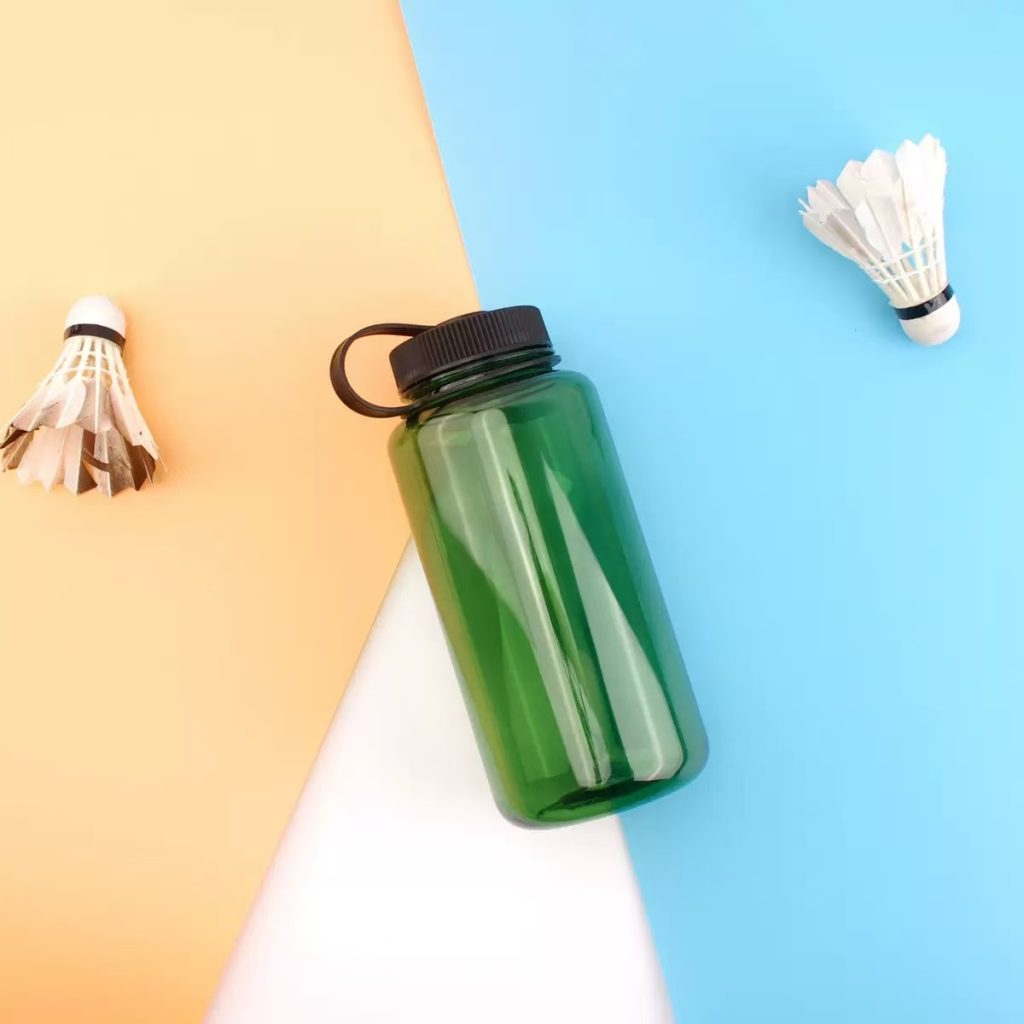
Tritan water bottles are usually clear, polished, and designed to offer a more premium feel than many ordinary plastics. They are BPA-free and valued for their durability, odor resistance, and long-lasting appearance in repeated use. Because Tritan combines lightweight practicality with a cleaner visual finish, it is often chosen for reusable drinkware that needs both function and stronger shelf appeal.
Pros: Clear appearance, BPA-free, durable, resistant to odors and stains, more premium look.
Cons: Higher cost than standard plastics, not ideal for buyers focused purely on low price.
Best for: Sports bottles, kids’ drinkware, retail collections, lifestyle brands, and premium reusable water bottles.
Price range: Mid to high-range.
How a Water Bottle Supplier Evaluates Bottle Materials Beyond Marketing Claims
For a professional water bottle supplier, choosing bottle materials is never just about following popular claims like “BPA-free” or “eco-friendly.” Those labels may attract attention, but they do not tell the whole story. A material has to be evaluated by how it performs in real use, how long it lasts, and whether it fits the purpose of the product.
- Practicality matters as much as safety
A good bottle material should not only be safe for drinking water. It should also be practical.That means the bottle should be comfortable to carry, easy to clean, resistant to everyday wear, and reliable after repeated use. A material may sound impressive in marketing, but if it scratches easily, keeps odors, or loses its appearance too quickly, it may not be the right choice for long-term use. - Durability affects product value over time
From a manufacturing and supply perspective, durability is one of the most important parts of material evaluation.
A bottle is not judged only on the day it is sold. Its value depends on how well it performs after weeks or months of use. Frequent washing, regular handling, accidental drops, and changing temperatures all test the material in ways that marketing language cannot fully explain.
That is why product lifespan matters. A material that stays functional and presentable for longer usually creates a better user experience and stronger long-term value.
Why Customized Tritan bottles are often selected
This is one reason Customized Tritan bottles have become a popular option in many drinkware projects.
Tritan is often chosen for products that need a balance of clarity, lightweight usability, and repeated-use durability. For brands that want bottles with a clean appearance and a more polished look than many ordinary plastics, Tritan offers a practical solution. It is especially suitable for sports bottles, kids’ bottles, and daily hydration products where portability and visual appeal both matter..
If you want to understand this material in more detail, you can also read our guide on Is Tritan Plastic Safe?
From a supplier’s perspective, the best bottle material is the one that supports the product’s intended use, practical performance, and long-term durability.
That may mean Customized Tritan bottles for lightweight daily-use collections. It may mean another material for more basic or more specialized applications. What matters most is not the wording on the label, but whether the bottle performs well for the user and makes sense for the brand behind it.