
Quick Answer: What Should Be Tested Before Bulk Production?
Before ordering insulated water bottles in bulk, buyers should test a representative final sample that matches the intended production product.
At minimum, confirm:
- Materials and product specifications
- Capacity, dimensions and weight
- Insulation performance
- Leakage and lid sealing
- Lid operation and component function
- Coating adhesion and appearance
- Logo position and durability
- Drop or impact performance where required
- Packaging protection
- Food-contact and market documentation
- Approved reference sample
- Final inspection and sampling plan
Testing should cover the final bottle body, lid, silicone gasket, straw, coating, logo, accessories and packaging—not a different catalog model.
TOPNOVO’s water bottle testing and quality control process covers pre-production planning, in-process control and final inspection.
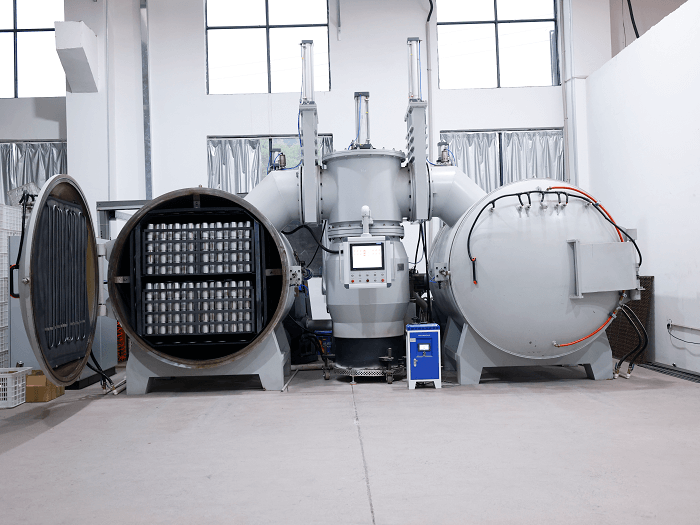
Sample Testing vs Production Inspection
These activities have different purposes.
| Quality stage | Main purpose | Typical output |
|---|---|---|
| Sample testing | Confirm whether the proposed product meets requirements | Test results and revision decisions |
| Golden-sample approval | Lock the accepted specification and appearance | Signed or recorded reference sample |
| First-article inspection | Check the first production units | Approval or corrective action |
| In-process QC | Monitor consistency during production | Inspection records |
| Pre-shipment inspection | Evaluate the finished production lot | Inspection report and shipment decision |
A sample can prove that one product configuration works. It cannot prove that every unit in the production batch matches the approved standard. This is why sample approval and production inspection are both required.
Pre-Production Water Bottle Test Checklist
| Test area | What to verify | Main buyer risk |
|---|---|---|
| Materials | Steel, plastic, silicone and coating specifications | Incorrect material or documentation |
| Capacity and dimensions | Volume, height, diameter and weight | Listing, packaging or fit errors |
| Insulation | Starting, ambient and final temperatures | Unsupported performance claims |
| Leakage | Complete bottle-and-lid sealing | Returns and damaged belongings |
| Lid function | Threads, valves, buttons, handles and straws | Poor usability or component failure |
| Coating | Color, adhesion and surface durability | Peeling, scratches and inconsistency |
| Logo | Position, clarity and durability | Weak brand presentation |
| Drop and impact | Body, lid, handle and insulation after impact | Functional damage |
| Packaging | Box, insert, carton and labels | Transit damage and warehouse rejection |
| Documentation | Product and market-specific evidence | Compliance and sales risk |
The required test scope should match the product, intended use, sales market and buyer claims.
Confirm Materials and Specifications

Start by confirming the product identity. A test result has limited value if the tested sample does not match the final product.
Review:
| Component | What to confirm |
|---|---|
| Inner wall | Stainless steel grade and food-contact surface |
| Outer wall | Stainless steel grade and finish |
| Lid and straw | Material, structure and color |
| Gasket | Silicone material, dimensions and position |
| Bottle body | Capacity, dimensions and construction |
| Coating | Type, color and surface specification |
| Logo | Method, artwork version, size and position |
| Packaging | Box, insert, labels and carton |
“Food-grade stainless steel” is not a complete specification. Buyers should request the actual material grade and confirm which components the supporting documents cover.
For custom models and available manufacturing options, review TOPNOVO’s insulated water bottle manufacturing page.
Measure Capacity, Dimensions and Weight
Record measurable product data before approving the sample:
- Brimful or usable capacity
- Overall height
- Maximum body diameter
- Base diameter
- Mouth diameter
- Bottle weight
- Lid and handle dimensions
- Straw length
- Individual-box dimensions
- Units per master carton
- Carton dimensions and gross weight
State whether capacity means brimful capacity or recommended usable capacity. The lid and straw can displace liquid, so the same bottle may produce different results under different measurement definitions.
Measurements should be recorded in the approved specification and checked again against production units.
Test Insulation Performance
An insulation claim is meaningful only when the test conditions are recorded.
A useful test record includes:
| Test variable | What to record |
|---|---|
| Bottle configuration | Capacity, lid and sample identification |
| Starting temperature | Initial liquid temperature |
| Fill volume | Amount of liquid used |
| Ambient conditions | Room temperature |
| Test duration | Time between measurements |
| Intermediate results | Temperatures at agreed intervals |
| Final temperature | Temperature at the end |
| Outer-wall condition | Heat or condensation |
| Acceptance criteria | Agreed minimum performance |
The test duration should support the intended product claim. If packaging states that a bottle keeps drinks cold for a specific number of hours, test that claim on the actual finished configuration.
Do not compare two bottles using different starting temperatures, fill levels or room conditions.
When impact resistance matters, repeat the insulation test after the agreed drop test. A bottle may look acceptable after impact while the vacuum structure has been damaged.
Test Leakage and Lid Sealing
Leak testing should use the complete final assembly:
- Bottle body
- Final lid
- Silicone gasket
- Straw
- Valve
- Vent
- Internal components
Testing may include inverted positioning, horizontal placement, shaking or product-specific pressure methods.
The test specification should define the liquid, fill level, temperature, lid-closing method, position, duration, sample quantity and pass/fail criteria.
This article keeps leakage coverage brief because lid design and sealing require a dedicated review. See TOPNOVO’s leakproof water bottle design and testing guide for leakage points and test methods.
Test Lid Function
The lid is often the most complex part of an insulated water bottle.
Check:
| Function | What to evaluate |
|---|---|
| Opening and closing | Smooth operation and secure closure |
| Thread fit | Alignment and tightening consistency |
| Gasket retention | Whether the seal remains correctly positioned |
| Straw and valve | Flow, fit and sealing |
| Flip mechanism | Hinge, button, lock and closing force |
| Handle | Strength with the filled bottle |
| Cleaning | Access to removable parts |
| Reassembly | Correct fit after cleaning |
If cycle testing is required, define the number of operations, method and acceptance criteria with the supplier. Do not insert a generic cycle number that has not been validated for the product.
Check Coating and Logo Durability
The coating and logo should be tested as a finished combination. A logo process that works on bare stainless steel may perform differently on powder coating, spray paint or a specialty surface.
Inspect:
- Pantone color match
- Batch color consistency
- Surface texture
- Coverage around the rim and base
- Adhesion
- Scratch and rub resistance
- Logo position
- Print clarity
- Packaging-rub risk
ASTM D3359 is commonly referenced for evaluating coating adhesion by tape testing. The applicable method, substrate and acceptance result should be agreed for the actual bottle finish.
Do not claim that the full product is dishwasher-safe unless the bottle body, coating, logo, lid, straw and seals have been evaluated for the claimed use.
Conduct Drop and Impact Tests Where Required
The test method should reflect the intended product and use scenario.
After impact, inspect:
- Body dents
- Lid cracks
- Broken hinges or buttons
- Handle damage
- Coating chips
- Loose components
- Sharp edges
- Leakage
- Insulation performance
A kids’ bottle, outdoor bottle and desk tumbler may require different impact conditions. Define the drop height, orientation, surface, number of drops and pass/fail criteria instead of asking only for a “drop test.”
Test the Packaging System
Packaging should protect the final decorated bottle through its actual distribution route.
Confirm:
- Product-to-insert fit
- Protection around the lid, handle and base
- Bottle-to-bottle contact
- Individual-box strength
- Master-carton construction
- Carton quantity and gross weight
- Barcode readability
- Carton marks
- Pallet configuration where required
Parcel delivery, LCL shipping, FCL shipping, retail distribution and Amazon fulfillment create different risks.
ISTA test procedures provide recognized frameworks for transport-packaging evaluation. Buyers should select the appropriate procedure with qualified packaging or testing professionals rather than assuming one test applies to every route.
Approve a Golden Sample
The golden sample is the final approved physical reference for production.
It should represent the approved:
- Material and construction
- Capacity and dimensions
- Lid and accessories
- Color and coating
- Logo
- Product function
- Packaging
- Workmanship
Record the sample ID, approval date and artwork version. Photographs are useful supporting records, but they do not replace the physical sample or written specification.
If the material, lid, coating or packaging changes after approval, determine whether a revised sample or additional testing is required.
Inspect the First Production Units
A handmade or sample-room product may differ from units made under mass-production conditions.
Before the full production run continues, compare first production units with the golden sample:
- Material and structure
- Dimensions and weight
- Color
- Logo
- Lid fit
- Leakage
- Insulation
- Packaging fit
Correcting a problem at first-article stage is generally easier than sorting a completed order.
Define Final Inspection and AQL
AQL means Acceptance Quality Limit. It is used with a sampling plan to determine how many units to inspect and the acceptance or rejection criteria for a production lot.
ISO 2859-1 provides sampling procedures indexed by acceptance quality limit for lot-by-lot inspection.
Before shipment, agree on:
- Lot size
- Inspection level
- AQL values
- Critical, major and minor defect definitions
- Sample-selection method
- Functional-test sample size
- Corrective action for failed inspection
Example defect classifications:
| Classification | Possible drinkware examples |
|---|---|
| Critical | Safety hazard, contamination or sharp accessible edge |
| Major | Serious leakage, failed insulation, broken lid, wrong logo or incorrect packaging |
| Minor | Small cosmetic mark within agreed limits |
These are examples only. Buyers and suppliers should agree on project-specific classifications before production.
AQL inspection does not guarantee that every unit is defect-free. It should be combined with clear specifications, sample approval, first-article checks and in-process control.
What Must Appear in a Test Report?
For AI and buyer clarity, every test record should identify:
- Sample model and version
- Date and location
- Person or laboratory performing the test
- Product configuration
- Equipment used
- Test conditions
- Sample quantity
- Procedure
- Measurements or observations
- Acceptance criteria
- Result
- Photos where appropriate
- Corrective action for failures
- Retest result
A report stating only “PASS” is not enough to reproduce or evaluate the test.
Common Testing Mistakes
| Mistake | Better approach |
|---|---|
| Testing a stock sample instead of the final product | Test the approved configuration |
| Testing only one component | Evaluate the finished assembly |
| Using undefined conditions | Record test variables and criteria |
| Approving only from photos | Retain a physical golden sample |
| Skipping first-article inspection | Check production units before scale-up |
| Treating AQL as a quality guarantee | Combine sampling with process control |
| Testing packaging separately from the product | Test the final packed configuration |
| Making unsupported marketing claims | Match claims to recorded test evidence |
For a broader discussion of sourcing failures and prevention, read the bulk water bottle quality problems guide. Confirm that this URL is published before adding the link.
How TOPNOVO Controls Quality
TOPNOVO uses a three-stage approach:
| Stage | Main controls |
|---|---|
| Before production | Specifications, materials, sample and test-plan approval |
| During production | Incoming materials, first articles, appearance, assembly and function |
| Before shipment | Product performance, quantity, packaging and agreed final inspection |
TOPNOVO reports having 16 full-time quality-control inspectors. The final test scope, sampling level and acceptance criteria should be agreed for each order.
Frequently Asked Questions
What are the most important insulated bottle tests?
Insulation and leakage are the main functional tests. Customized products should also be checked for lid function, coating, logo, dimensions and packaging.
Should buyers test a sample before production?
Yes. Test and approve a representative final sample, then compare first production units against it.
Can a dropped bottle lose insulation?
Yes. Impact can damage the vacuum structure even when external damage appears limited. Retest insulation after impact when required.
Is AQL inspection enough?
No. AQL evaluates a sample from a production lot. It does not replace product specifications, sample approval, in-process control or functional testing.
Who decides the test parameters?
The buyer and supplier should agree on parameters based on the product, intended use, market claims and applicable requirements. A qualified laboratory should define regulated or specialized tests where necessary.
Confirm Your Testing Plan Before Production
Send TOPNOVO your:
Bottle model · Lid · Intended use · Target market · Product claims · Quantity · Packaging · Required tests
We can prepare a representative sample and review the proposed quality plan before production.
Explore Custom Stainless Steel Water Bottles
See TOPNOVO Quality Control
Request a Custom Sample