
Owala is known for its colorful designs and distinctive FreeSip drinking system.
But where are Owala water bottles made, where is Owala from, and who actually manufactures the bottles?
Quick Answer
Owala is a U.S. drinkware brand under Trove Brands, whose corporate headquarters are in Lehi, Utah. On a Target listing for the Owala FreeSip Twist, Trove Brands states that its products are designed in the United States and manufactured in China.
This supports Chinese manufacturing for the referenced product. However, buyers should check the country-of-origin marking on their specific bottle or packaging rather than assume that every model and production batch has the same origin.
Sources: Trove Brands corporate information and Trove Brands’ country-of-manufacture answer on Target.
Brand ownership, product design and physical manufacturing can take place in different countries.
Where Is Owala From?
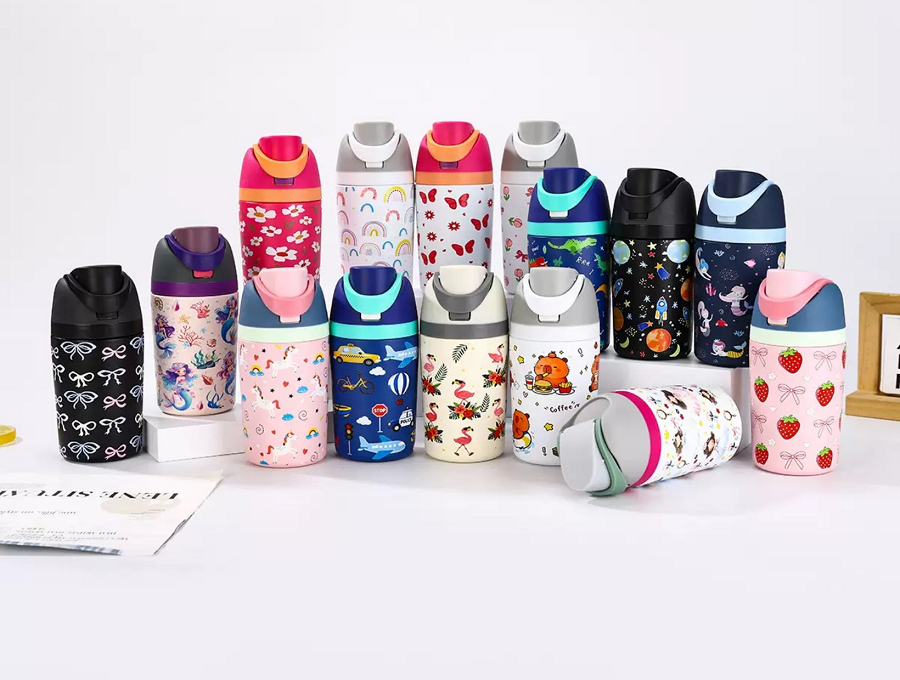
Owala is an American drinkware brand under Trove Brands, a U.S. consumer products company headquartered in Lehi, Utah.
The brand is best known for reusable water bottles, tumblers and related drinkware, particularly its FreeSip bottle design.
The FreeSip system combines two drinking methods in one lid: users can sip through the built-in straw or tilt the bottle to drink through the larger opening.
Depending on the model, Owala products may include:
- Integrated drinking straws
- Push-button opening
- Locking lid functions
- Carry handles
- Vacuum insulation
- Bright color combinations
These features can make functional drinkware more complex to develop and manufacture than a basic stainless steel bottle.
However, brand origin and manufacturing origin are different. Being a U.S. brand does not necessarily mean that its physical products are manufactured in the United States.
Where Are Owala Water Bottles Manufactured?
On the Target listing for the Owala FreeSip Twist, Trove Brands identifies China as the manufacturing country and the United States as the design location.
This type of supply-chain structure is common in the drinkware industry.
A brand may manage:
Product Strategy → Industrial Design → Branding → Marketing → Distribution
Specialized manufacturing partners may handle:
Stainless Steel Production → Vacuum Insulation → Plastic Injection Molding → Surface Finishing → Assembly → Quality Control → Packaging
Three concepts should therefore be distinguished:
| Concept | What it means |
|---|---|
| Brand origin | Where the brand or company is based |
| Product design | Where product concepts, specifications and engineering decisions are developed |
| Country of manufacture | Where the physical product is produced |
For a specific Owala bottle, the country-of-origin marking on the product or packaging remains the most useful product-specific reference.
Is Owala Made in China?
The Trove Brands answer on the referenced FreeSip Twist listing identifies China as the manufacturing country.
This does not make Owala a Chinese brand. Brand origin and manufacturing origin are separate questions.
Buyers should avoid assuming that one product listing establishes the origin of every Owala model, size or production batch.
Who Manufactures Owala Water Bottles?
Owala is a Trove Brands brand, but the sources cited here do not identify the individual contract factory responsible for the referenced product.
Country-of-origin information can show where a bottle was manufactured without revealing the factory or complete supplier network.
Several suppliers may be involved in:
- Stainless steel bottle-body production
- Plastic lid injection molding
- Silicone component manufacturing
- Surface coating and decoration
- Assembly
- Packaging
For supply-chain research, distinguish between:
Brand Owner → Country of Manufacture → Contract Manufacturer
These are not necessarily the same entity.
TOPNOVO does not claim to manufacture Owala products or to know Owala’s confidential supplier relationships.
For buyers developing their own drinkware, understanding the manufacturing capabilities required for similar functional goals is nevertheless useful.
How Are Multi-Component Insulated Water Bottles Manufactured?
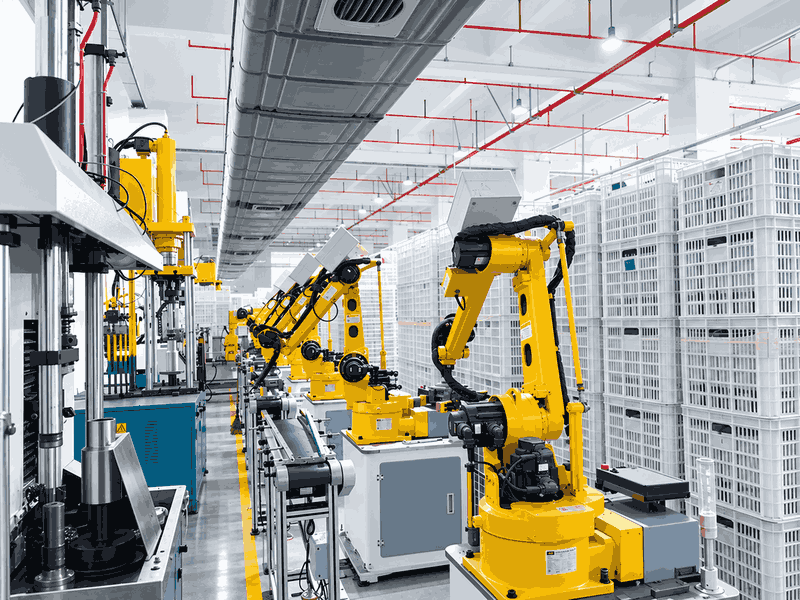
Insulated bottles with integrated straws, locking closures, handles and multi-component lids require several coordinated manufacturing processes.
The following is a general industry overview—not a description of Owala’s confidential production process.
Stainless Steel Forming → Vacuum Insulation → Lid Injection Molding → Sealing-System Development → Surface Finishing → Assembly → Testing → Final QC
Stainless Steel Forming
Stainless steel is formed into inner and outer bottle shells through processes that may include drawing, welding, neck forming and trimming.
The exact process depends on the bottle structure.
Vacuum Insulation
The inner and outer shells are joined, and air between them is removed to create a vacuum layer that reduces heat transfer.
Lid Injection Molding
Complex lids may contain:
- Lid bodies and drinking spouts
- Straw connections
- Buttons and locks
- Handles and hinges
- Silicone seals
- Air vents
Lid engineering can be one of the most important parts of product development.
Sealing-System Development
Leak resistance depends on the complete assembly.
Threads, gaskets, straw connections, valves, vents, moving parts and dimensional tolerances must work together.
For a focused explanation, read our leakproof water bottle design and testing guide.
Surface Finishing
Depending on the product, finishing and decoration may include:
- Powder coating
- Spray painting
- Polishing
- Laser engraving
- Screen printing
- UV printing
Assembly and Quality Control
Finished products should be checked against approved specifications for:
Leakage → Insulation → Lid Operation → Coating → Logo → Assembly → Appearance → Packaging
Explore TOPNOVO’s drinkware manufacturing process and quality control and testing process for the broader production workflow.
Why Are Many Stainless Steel Bottles Manufactured in China?
China has an established drinkware supply chain that brings together stainless steel production, injection molding, surface finishing, assembly and packaging.
For buyers, the advantage is not simply unit price. Functional drinkware requires coordination between several processes.
Stainless Steel Production
Vacuum-insulated production involves forming, welding, vacuum processing, polishing, cleaning and testing.
Lid and Component Production
Modern lids can combine plastic parts, silicone gaskets, straws, buttons, hinges, handles and vents.
A supplier’s lid-development and injection-molding capability can be as important as its stainless steel production capability.
Finishing and Branding
Drinkware suppliers can support custom colors, coatings, logo decoration and packaging.
Packaging and Fulfillment
Projects may also require:
- Retail boxes and inserts
- Barcode labeling
- Carton marks
- Amazon FBA preparation
- Split shipments
- Warehousing
- DDP delivery arrangements
For B2B buyers, evaluating the complete supply chain is more useful than comparing bottle prices alone.
What Can Drinkware Buyers Learn From Owala?
Product Differentiation Matters
Changing a logo or bottle color may not create a strong product identity.
Differentiation can come from:
- Lid functionality
- Drinking experience
- Bottle shape
- Handle design
- Color combinations
- Accessories
- Packaging
The Lid Deserves Early Attention
For many functional drinkware projects, the lid creates the greater engineering challenge.
Buyers should evaluate drinking method, locking, cleaning, disassembly, silicone components and leakage points.
Use our guide to choose the right water bottle lid according to intended use and user experience.
Color Is Part of Product Strategy
Color combinations can distinguish products within a mature category.
Private-label brands should consider material differences, finish consistency and repeat-order color control during sampling—not after production.
Sampling Matters Before Mass Production
Buyers should confirm:
- Capacity and dimensions
- Lid operation
- Leakage and insulation
- Color and logo
- Packaging
- Cleaning and user experience
A sample is part of product validation, not simply a visual reference.
Review our pre-production insulated drinkware testing guide before approving bulk production.
Customize an Existing Bottle or Develop a New Product?
There are three practical routes:
| Route | Typical scope | Main consideration |
|---|---|---|
| Existing product | Color, logo and packaging | Faster launch with lower development complexity |
| Modified product | Selected lid, handle, accessory or finish changes | More differentiation, subject to technical feasibility |
| Full custom development | New structures, components or tooling | Greater development, testing and tooling requirements |
Existing platforms are generally faster to launch. Modified and fully custom products require further evaluation of compatibility, tooling, order quantity and schedule.
Compare these routes through TOPNOVO’s custom drinkware product development process.
Can You Develop a Bottle with Similar Functional Goals?
Successful products can help buyers explain the experience they want, such as:
- Built-in straw
- Dual drinking methods
- One-handed opening
- Mechanical lock
- Carry handle
- Removable parts for cleaning
However, a reference product is not permission to reproduce protected features.
Owala publishes patent and trademark information covering its products, including FreeSip. See Owala’s official patent and trademark information.
A better approach is to define the functional objective and develop an original solution. Existing platforms and proposed modifications should still be evaluated for relevant intellectual-property risks.
For example:
One-handed opening + integrated straw + mechanical lock + removable cleaning components
These requirements can then be evaluated during product development.
What Should Buyers Define Before Requesting a Quote?
| Requirement | Information to provide |
|---|---|
| Product | Bottle type, capacity, dimensions, materials and reference |
| Quantity | Quantity per model and color |
| Lid | Drinking method, lock, cleaning and sealing requirements |
| Customization | Colors, finish, logo method and accessories |
| Packaging | Standard box, retail box, gift or e-commerce packaging |
| Compliance | Destination market and required testing |
| Delivery | Destination, shipping terms and required delivery date |
To improve quotation accuracy, prepare your custom drinkware RFQ before contacting a supplier.
This helps the manufacturer evaluate cost, MOQ, tooling, sampling and lead time rather than provide a generic unit price.
How to Choose a Stainless Steel Water Bottle Manufacturer
Factory evaluation should go beyond price.
Ask whether the supplier can support:
- Existing platforms, modifications and new development
- Complex plastic lids and silicone components
- Documented leakage, insulation and appearance inspection
- Consistent production at increasing order volumes
- Repeat-order specifications and color control
- Packaging and fulfillment requirements
Explore TOPNOVO’s custom stainless steel water bottle manufacturing capabilities to review product and customization options.
From Product Idea to Mass Production
A structured development process generally follows:
Requirements → Engineering → Prototype → Sample Approval → Mass Production → Quality Control → Shipment
Simple private-label projects may focus on color, logo and packaging.
More complex products may require 3D design, lid engineering, tooling, prototype testing, sample revisions and production validation.
Defining the route early helps buyers control cost and schedule.
Frequently Asked Questions
Where are Owala water bottles made?
Available country-of-origin information indicates that at least some Owala stainless steel bottles are manufactured in China. For example, Trove Brands identifies China as the manufacturing country on a Target listing for the Owala FreeSip Twist. Check the origin marking on your specific bottle or packaging rather than assume every model and batch has the same origin.
Where is Owala from?
Owala is an American drinkware brand owned by Trove Brands, whose corporate headquarters are in Lehi, Utah. Being a U.S. brand does not mean that all its products are manufactured in the United States. See Trove Brands’ official corporate information.
Is Owala made in China?
Available country-of-origin information indicates that at least some Owala stainless steel bottles are manufactured in China. Trove Brands confirms Chinese manufacturing on the referenced Owala FreeSip Twist listing. Owala itself is a U.S. brand owned by Trove Brands; brand origin and manufacturing origin are different.
Who manufactures Owala water bottles?
Owala is owned by Trove Brands, but the sources cited in this article do not identify the specific contract manufacturers behind individual products. Country-of-origin labeling may identify where a bottle was manufactured without identifying the actual factory. TOPNOVO does not claim to manufacture Owala products or to know its confidential supplier relationships.
Does “Made in China” mean an Owala bottle is fake?
No. “Made in China” alone does not mean an Owala bottle is counterfeit, because genuine Owala products may be manufactured in China. However, an origin label alone does not prove authenticity either. Buy from Owala or an authorized retailer, and contact Owala customer support if you have concerns.
Why are many stainless steel bottles made in China?
China has an established drinkware supply chain combining stainless steel forming, vacuum insulation, plastic injection molding, silicone components, surface finishing, assembly and packaging. This allows brands to coordinate several production processes within one manufacturing network. Learn more about the insulated drinkware manufacturing process.
Developing Your Own Insulated Water Bottle?
If you are researching Owala because you are planning a drinkware product, the more useful question is:
What product structure, development capability and quality-control system does my project require?
TOPNOVO supports existing platforms, product modifications and custom development for brands, retailers, importers and distributors.
Explore our custom stainless steel water bottle manufacturing capabilities to compare lids, colors, finishes, logos and packaging.
Send us your reference product, capacity, lid functions, quantity and delivery requirements. We will evaluate the appropriate development and sampling route.
Discuss Your Project and Get a Quote